
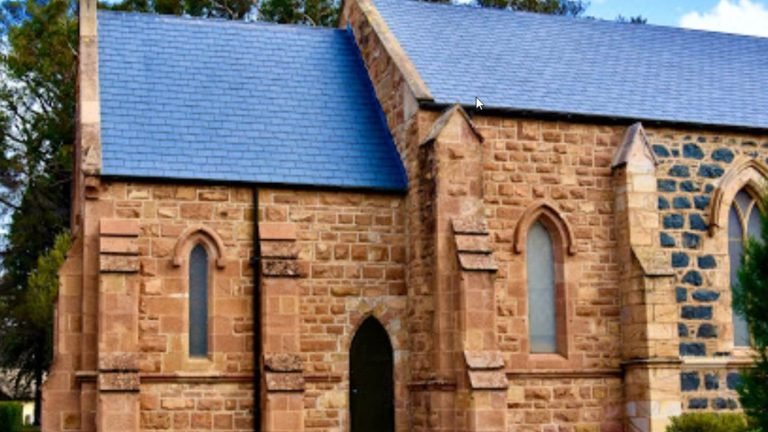
When it comes to our roof, we need to be vigilant for signs that require immediate repairs. Look for water leaks, sagging sections, or visible mould, as these indicate serious issues. We should also check for cracked tiles, daylight filtering through the roof, and any signs of pests. High energy bills can hint at inefficiencies in insulation due to roof damage.
Additionally, watch for granule loss on shingles and any deterioration in flashing. If we notice any of these signs, swift action is essential to prevent further damage. There’s more important information to take into account for maintaining our roof’s integrity.
Water Leakage
Water leakage is one of the most common issues we encounter with roofs, and it can lead to serious complications if not addressed promptly.
- We often notice signs of water intrusion after heavy rain or hail storms, such as dampness, wet spots, or water stains indoors. If we spot standing water or dampness in the attic, it’s a clear indicator that urgent leak detection is needed.
- When water drips during rainfall, it suggests there are cracks or holes in the roof that require immediate repair solutions to prevent further damage.
- We can’t stress enough how delaying these repairs can lead to increased costs and safety risks, including mould growth and structural damage.
Regular inspections are essential, as they help us identify early signs of water leakage, allowing us to address problems before they escalate into major repairs.
Sagging Roof
When we notice a sagging roof, it’s often a sign of underlying structural issues that need immediate attention.
Essential roof repair advice highlights that common causes include water accumulation from leaks or poor drainage, which can lead to significant consequences if we neglect repairs.
Causes of Sagging Roof
A sagging roof can signal serious issues that, if left unchecked, may lead to structural failure. One of the primary causes of sagging is severe water accumulation, often due to leaks or drainage problems. This trapped water can weaken the structural supports, creating visible dips or sagging areas.
In flat or low-slope roofs, the weight of pooled water exacerbates this issue, greatly straining the roof materials and supports.
Additionally, improper installation of roofing materials can lead to sagging over time. Aging roof materials, typically having a lifespan of 20-50 years, may lose their structural integrity, resulting in sagging.
Regular inspections are essential, as they allow us to identify early signs of sagging and address them before they escalate into more extensive damage.
Ultimately, we must recognize that sagging roofs are a warning sign of potential structural compromise. By understanding the causes of roof sagging, we can take proactive steps to maintain the roof’s integrity and prevent costly repairs.
If you observe any signs of sagging, it’s essential to consult a roofing professional for an assessment.
Consequences of Neglecting Repairs
Neglecting repairs on a sagging roof can lead to dire consequences that extend beyond mere aesthetics. The structural integrity of our homes is at risk, as a sagging roof can indicate imminent collapse if we don’t act with repair urgency. Persistent leaks contribute to this sagging, weakening both roofing materials and their supporting structures.
Here’s a breakdown of the potential consequences:
| Consequence | Immediate Impact | Long Term Costs |
|---|---|---|
| Structural Damage | Increased risk of collapse | Extensive repair or replacement costs |
| Safety Hazards | Falling debris, injuries | Potential legal liabilities |
| Decreased Property Value | Diminished market appeal | Lower resale price |
| Escalating Repair Needs | Urgent professional evaluations | Long-term financial burden |
It’s essential to understand that a sagging roof not only poses immediate safety risks but can also escalate our long-term costs considerably if ignored. Seeking immediate professional evaluation allows us to prevent further deterioration and maintain the overall integrity of our home.
Mould and Dampness
Although we often overlook the hidden areas of our roofs, the presence of mould and dampness can signal serious moisture issues that need our immediate attention.
Regular roof inspections can help detect these problems early, guaranteeing the longevity of our roofing systems and preventing extensive damage. Mould growth typically appears as slimy patches in colours like black, brown, or dark green, and often comes with a foul odour. This isn’t just an aesthetic problem; prolonged exposure to moisture leads to mould, which can pose significant health risks, including respiratory problems and allergic reactions.
To help us stay proactive, here are some key signs we should look for during a mould inspection:
- Unpleasant odours in our home, particularly in enclosed spaces
- Visible mould patches on roofing materials or in attics
- Increased moisture levels in our living environment
- Warping or discoloration of ceilings and walls
We must remember that dampness in roofing materials can compromise structural integrity.
Immediate remediation is essential to prevent further damage and guarantee a safe living environment. By prioritizing moisture control and regular inspections, we can catch these problems before they escalate, saving us from costly repairs and health hazards down the line.
For more information visit essential roof maintenance tips, and consider implementing these practices to protect your home.
Damaged or Cracked Tiles
When we notice damaged or cracked tiles on our roof, it’s essential to act quickly.
These imperfections can lead to water penetration, which may compromise our home’s structural integrity and result in costly repairs.
Signs it’s time for a roof replacement include visible damage and curling edges.
Regular inspections help us identify these issues early, preventing further damage and maintaining the overall health of our roofing system.
Identification of Cracks
Identifying cracks in roof tiles is essential for maintaining the integrity of our roofs and preventing costly repairs down the line. Cracks can develop in various patterns, often depending on the tile materials used.
Regular inspections help us catch these issues early, ensuring our roofs remain secure.
Here are some signs to look for when inspecting our roof tiles:
- Surface Cracks: Small fissures on the surface may indicate moisture problems.
- Missing Tiles: Gaps from missing tiles can lead to leaks and pest invasions.
- Chips or Breaks: Damaged edges can compromise the tile’s structural integrity.
- Discolouration: Stains or fading can signal underlying issues needing attention.
Effects of Damage
Damage to roof tiles not only affects their appearance but also poses significant risks to the overall integrity of our roofs. When tiles are cracked or damaged, they can create openings that allow water to penetrate the roof structure. This can lead to leaks and extensive water damage if we don’t act quickly.
Even small cracks can compromise our home’s insulation and energy efficiency, leading to increased heating and cooling costs.
Moreover, broken tiles expose the underlying roofing materials to harsh weather conditions, which increases the risk of mould growth and structural damage over time.
Regular roof maintenance inspections can help us identify these damaged tiles early, preventing more costly repairs down the line.
If we ignore cracked or missing tiles, we risk further deterioration of the roof, which may necessitate complete roof replacement.
High Energy Bills
High energy bills can be a surprising and unwelcome reality for many homeowners. When we notice sudden spikes in our utility costs, it’s often a sign that our roof’s insulation may be compromised.
Regular roof maintenance tips can help you identify potential issues early on. Insulation gaps or cracks can allow conditioned air to escape, leading to increased heating and cooling demands.
Here are some key points to evaluate:
- Homes with poor insulation can see energy bills 10-30% higher than average.
- Regular roof maintenance is essential for maintaining energy efficiency.
- Early identification and repair of leaks can reduce strain on HVAC systems.
- Roofs nearing the end of their lifespan, typically 20-30 years for asphalt shingles, are more susceptible to these issues.
Damaged Flashing
When we consider the integrity of our roofs, damaged flashing is often overlooked yet plays a fundamental role in protecting our homes. Flashing serves as a barrier at critical points, such as chimneys and vents, preventing water intrusion. If we notice rust, cracks, or holes in the flashing, it’s imperative to address these issues immediately.
Loose or worn-out flashing can lead to water seeping into our structures, escalating potential water-related problems.
Regular flashing inspections are necessary. Neglecting this area can result in costly repairs due to water damage, which affects both the roof and our home’s interior. During these inspections, we should check for any visible gaps or deterioration; these are indicators that repairs or replacements are necessary.
Effective flashing maintenance can greatly extend the lifespan of our roofs by preventing water damage that compromises the structural integrity of our homes.
Granule Loss on Shingles
One common issue we may encounter as our roofs age is granule loss on shingles, which typically indicates that the shingles are nearing the end of their lifespan usually around 20 to 30 years for asphalt shingles.
As granules wear away, the underlying asphalt layer becomes exposed to harmful UV exposure, which accelerates deterioration and increases the risk of leaks.
We need to keep an eye out for signs of granule loss during our shingle maintenance:
- Granules in Gutters: If we notice a buildup of granules, it’s a clear sign the shingles are deteriorating.
- Discoloured Shingles: Areas with significant granule loss will appear darker and less uniform.
- Increased Leaks: Reduced granule coverage can lead to potential water penetration and leaks inside our homes.
- Age of Roof: If our roof is approaching or past the 20-30-year mark, we should be especially vigilant.
Daylight Through the Roof
The presence of daylight filtering through our roof serves as a stark reminder of potential vulnerabilities that must be addressed promptly.
When we notice sunlight streaming into our attic or living spaces, it indicates gaps or holes that compromise our roofing integrity. These openings, no matter how small, can lead to significant moisture problems, increasing the risk of mould growth and structural decay within our homes.
Conducting a thorough daylight inspection is essential in identifying these issues early.
We should regularly check our roof for any signs of daylight penetration, as this is a clear indicator that our roof may be at risk of leaks or further damage.
Ignoring these signs can result in costly repairs down the line, jeopardizing the health and safety of our homes.
Unwanted Critter Visitors
Unwanted critter visitors can wreak havoc on our homes if we don’t stay vigilant. Small openings or gaps in our roofs can serve as gateways for pests like squirrels, raccoons, and rodents. These intruders can cause significant damage if we don’t address the issue promptly.
Here are some signs we should watch for:
- Droppings indicating critter activity
- Nesting materials in our attic or eaves
- Visible damage to shingles or insulation
- Strange noises at night, suggesting a disturbance
Regular roof inspections are essential for critter identification and pest prevention. If we notice any of the signs above, immediate repairs are necessary to seal any entry points and safeguard our home’s structure.
Ignoring these issues can lead to costly repairs and health hazards due to pest droppings and potential mould growth from moisture retention.
Frequently Asked Questions
How Do I Tell if My Roof Needs to Be Replaced?
To determine if our roof needs replacement, we should consider its lifespan and the cost of repairs. If extensive damage or ageing signs are present, investing in a new roof may be more economical in the long run.
When Should I Worry About My Roof?
When we worry about our roof, it often relates to leak detection and shingle damage. If we notice water stains or damaged shingles, it’s time to act before further issues arise and escalate.
How Do I Know If My Roof Is in Bad Condition?
To determine if our roof is in bad condition, we should follow roof inspection tips. We must look for common roof issues like sagging, leaks, and missing shingles, which indicate potential problems needing immediate attention.
What to Do While Waiting for Roof Repair?
While we wait for roof repair, we should implement temporary fixes like sealing small leaks with waterproof tape. Additionally, let’s prioritize safety precautions by avoiding rooms underneath sagging areas to prevent potential injuries or further damage.
Final Thoughts
In summary, staying vigilant about our roofs is essential for maintaining the integrity of our homes. By recognizing signs like water leakage, sagging, and granule loss, we can take proactive measures to address issues before they escalate.
Regular inspections and prompt repairs not only enhance our living environment but also save us money in the long run.