
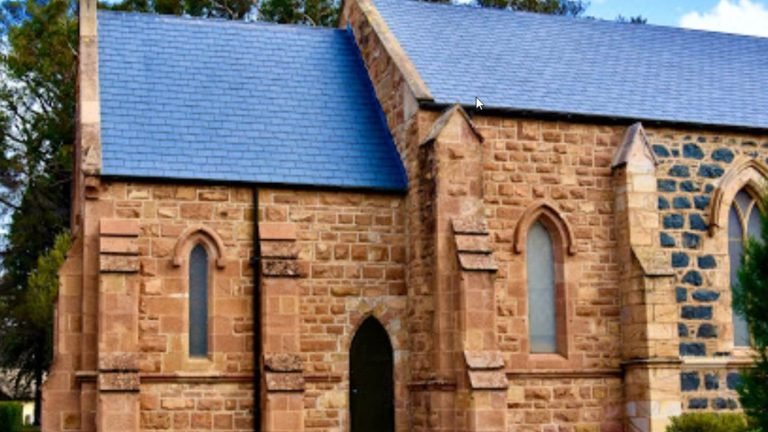
When tackling a roof replacement, we should start by evaluating the current roof’s condition for signs of wear and possible leaks. Choosing suitable roofing materials tailored to our climate is essential.
Next, we must verify contractor credentials, ensuring they hold valid licenses and insurance. We also need to check insurance coverage specifics to avoid surprises and familiarize ourselves with local building codes to prevent compliance issues.
Planning for debris removal will keep our property safe during the project. Finally, establishing a replacement timeline can streamline the process, setting the stage for a successful roof replacement endeavour that we can explore further.
Assess the Current Roof Condition
When evaluating our roof’s condition, it’s essential to start with a thorough inspection to identify any visible signs of wear and tear. We should look for missing shingles, curling edges, or discolouration, as these can indicate the need for replacement.
During our seasonal inspections, we must also evaluate the condition of flashing around chimneys and vents. Any rust, gaps, or damage here could lead to leaks if not promptly addressed.
We need to check for sagging areas on the roof surface, as these may signal structural issues requiring immediate attention.
Inside our homes, we should be vigilant for water stains, mould, or musty odours, which could indicate leaks that have compromised the roof’s integrity.
Additionally, we should assess the age of our roofing materials. Most roofs have a lifespan of 15 to 30 years, and nearing the end of this period may necessitate replacement.
Choose Suitable Roofing Materials
Choosing suitable roofing materials is essential for ensuring the longevity and performance of our roof. As we review our options, we must consider various factors that contribute to both energy efficiency and material longevity.
Selecting the perfect roofing material involves understanding how different options will withstand local conditions and their overall impact on our home. Here are three key aspects to keep in mind:
- Climate Compatibility: Selecting materials that perform well in our local weather conditions is vital. For instance, asphalt shingles are versatile, while metal roofs provide excellent performance in snowy regions.
- Maintenance and Lifespan: We should prioritize materials that require minimal upkeep. Slate and tile roofs can last over 50 years with little maintenance, whereas wood shingles necessitate more frequent care, impacting long-term costs.
- Energy Efficiency: Reflective roofing materials, such as cool roofs, can greatly reduce cooling costs by reflecting sunlight and minimizing heat absorption. This not only impacts our utility bills but also contributes to a more sustainable living environment.
Ultimately, by carefully evaluating these factors, we can make informed decisions that enhance the durability and efficiency of our roofing system, ensuring it serves us well for years to come.
Verify Contractor Credentials
When we verify contractor credentials, we must guarantee they possess the appropriate licenses and insurance coverage to protect themselves from potential liabilities.
It’s also essential to assess their experience and expertise, as well as to take into account their previous work and customer reviews, which can greatly influence the quality of our roofing project.
License Verification Process
Verifying a contractor’s credentials is essential to ensuring the safety and quality of our roofing projects.
A licensed contractor not only meets state regulations but also demonstrates a commitment to professional standards, which is critical for our peace of mind.
Here’s what we should focus on:
- License Validity: Always confirm that the roofing contractor holds a valid, current license. This guarantees compliance with local regulations.
- Disciplinary History: Check for any complaints or disciplinary actions against the contractor through state licensing boards. A clean record often reflects a solid contractor reputation.
- Additional Certifications: Inquire about any further certifications or affiliations with recognized roofing organizations. This can indicate a dedication to ongoing education and quality workmanship.
Insurance Coverage Importance
In our pursuit of a secure roofing project, understanding the significance of insurance coverage cannot be overstated. Ensuring that our chosen contractors have public liability and workers’ compensation insurance protects us against potential accidents and liabilities during the roofing process.
Below is a table illustrating the impact of insurance coverage on risk management during our roofing projects:
| Insurance Status | Implications |
|---|---|
| Insured Contractor | Protection from liabilities and accidents |
| Uninsured Contractor | Potential financial loss and legal issues |
| Transparent Insurance Proof | Confidence in contractor’s professionalism |
| Evasive Responses | Increased risk of poor practices and instability |
Experience and Expertise
Selecting the right contractor for our roofing project requires more than just verifying insurance coverage; it also hinges on evaluating their experience and expertise.
We need to guarantee that our chosen contractor isn’t only licensed and insured but also knowledgeable about current roofing trends and effective contractor communication.
Here are three essential steps we should follow:
- Check Credentials: Verify that the contractor holds a valid license and has public liability and workers’ compensation insurance. This protects us against potential liabilities during the project.
- Review Certifications: Look for certifications from major roofing manufacturers. These credentials indicate that the contractor has received specialized training and understands specific roofing systems and products.
- Assess Experience: Investigate the contractor’s track record by reviewing their portfolio of completed projects.
It’s vital to focus on similar roofing types to gauge their relevant expertise and reliability.
Check Insurance Coverage
When evaluating a roofing contractor, we must understand their insurance coverage thoroughly.
It’s essential to verify policy limits, coverage types, and the claims process to guarantee we’re protected against potential liabilities.
Understand Policy Limits
Checking your insurance coverage is essential before starting on a roof replacement project. Understanding policy limits can make the difference between a smooth process and unexpected financial strain. Many homeowners overlook the nuances of their insurance plans, leading to costly surprises.
Here are three critical aspects to reflect on:
- Coverage Types: Not all policies cover roof replacements fully. Some may only pay a percentage of the total costs.
- Deductible Limits: Be aware of your deductible. High deductibles can lead to significant out-of-pocket expenses if you’re not prepared.
- Exclusions: Certain damages may not be covered, especially if they arise from neglect or lack of maintenance.
To prevent these issues, we should contact our insurance agent to clarify the details of our policy. Understanding the terms, including deductibles and any exclusions, will help guarantee we’re protected against unforeseen financial burdens during this critical home repair.
Regularly reviewing and updating our policy also helps maintain adequate coverage, safeguarding us from potential losses during major projects like roof replacement.
Verify Coverage Types
Having a solid understanding of our insurance policy limits sets the stage for verifying coverage types before committing to a roof replacement.
We need to guarantee that the roofing contractor we choose has valid public liability and workers’ compensation insurance. This protects us against accidents and liabilities that could arise during the project.
It’s essential to verify that the contractor’s insurance coverage includes adequate limits for both property damage and injury. Insufficient coverage can leave us financially vulnerable if an issue occurs.
We should request proof of insurance from the contractor and remain cautious of any hesitance or evasiveness, as this could signal potential risks.
Additionally, we must check that the contractor’s insurance policy is current and specifically covers the type of work being performed to avoid complications during the project.
Prioritizing contractors who are transparent about their insurance details reflects their professionalism and commitment to safety.
Check Claims Process
How can we guarantee a smooth claims process when replacing our roof? To start, we need to confirm our insurance policy covers roof damage and replacement costs. This step helps us avoid unexpected out-of-pocket expenses that can strain our budget.
Here are three essential steps to follow:
- Understand the Claims Process: Each insurance provider has a specific process, often requiring us to submit claims documentation, including photographs and estimates.
- Collect Multiple Quotes: Obtaining various estimates from roofing contractors provides our insurer with a thorough view of repair costs, making our case stronger.
- Be Aware of the Claims Timeline: Familiarizing ourselves with the claims timeline is important; delays can impact how urgently we can proceed with our roof replacement and other necessary repairs.
Review Local Building Codes
Before diving into a roof replacement project, we need to review the local building codes that govern construction in our area. These codes dictate the minimum standards for roof construction and materials, guaranteeing our projects are safe and compliant with regional regulations.
Additionally, understanding the specific requirements for emergency services can help us prepare for any unforeseen issues during the replacement. We must remember that obtaining the necessary permits is vital; failing to do so could lead to fines or complications during inspections.
Different jurisdictions may impose specific requirements regarding roofing materials, slopes, and insulation. Adhering to these specifications helps us avoid compliance challenges and guarantees successful installation.
Additionally, building codes often mandate certain ventilation and drainage systems to mitigate future water damage and structural issues.
Regularly reviewing local building codes not only keeps us informed about current safety standards and practices but also enhances our reputation as responsible homeowners or contractors.
As we move forward with our roof replacement, let’s prioritize compliance with these regulations to guarantee a smooth process and a durable, safe roof.
Plan for Debris Removal
Planning for debris removal is a crucial aspect of our roof replacement project, guaranteeing both safety and compliance with local waste management regulations. A well-structured debris management plan not only protects our property but also minimizes risks associated with hazardous materials.
Here are three essential components to take into account:
- Use Protective Tarps: By covering the work area with tarps and drop cloths, we can catch falling debris, protecting our landscaping and minimizing damage to our property.
- Strategic Container Placement: We should utilize containers or dumpsters strategically placed around the site. This approach facilitates efficient loading and transport of old roofing materials, streamlining the disposal methods we adopt.
- Regular Clean-Up Intervals: Scheduling consistent clean-up intervals throughout the project will prevent debris accumulation, guaranteeing a safe working environment for both contractors and residents.
Additionally, we might contemplate specialized equipment, such as a Catch-All system, to effectively manage and contain debris during the roofing process.
Establish Replacement Timeline
Establishing a thorough replacement timeline is fundamental for a successful roof replacement project. First, we need to assess the current roof’s age; most roofs should be replaced every 20-25 years, depending on the material and wear.
To guarantee we make informed decisions, we should consult with Canberra roof replacement experts who can provide insights on the best materials and practices for our specific needs.
Seasonal considerations play a significant role in our timeline. Ideally, we should aim for spring or fall installations, as these seasons offer milder temperatures and less precipitation, guaranteeing ideal working conditions.
Furthermore, we should schedule annual assessments to identify potential roofing issues early, which may necessitate a replacement sooner than anticipated.
When budgeting for roof replacement, it’s essential to account for the timeline, including necessary permits, contractor availability, and possible delays caused by weather or material shortages.
A well-organized timeline allows us to engage contractors early, giving them 2-4 weeks to order materials and schedule work efficiently.
Frequently Asked Questions
What Do I Need to Know About Installing a New Roof?
When we consider installing a new roof, we must understand the importance of selecting appropriate roof materials and following a meticulous installation process to guarantee durability, efficiency, and warranty compliance throughout the roof’s lifespan.
What Questions Should I Ask When Replacing a Roof?
When replacing a roof, we should ask about recommended roof materials, their lifespans, and warranties. Additionally, we must confirm the installation timeline to plan effectively and guarantee minimal disruption during the project.
How Many Quotes Should You Get for Roof Replacement?
We recommend getting at least three quotes for roof replacement. This helps us compare roofing materials and contractor qualifications, ensuring we choose the best fit for quality workmanship and value, safeguarding our investment effectively.
How Much Does a New Roof Cost in Australia?
When considering a new roof, costs in Australia vary considerably based on roof material and installation timeline. We should always budget for potential extra expenses, ensuring a smooth and efficient roofing project without surprises.
Final Thoughts
In summary, traversing the roof replacement process can be streamlined by following our thorough checklist. By evaluating our current roof’s condition, selecting appropriate materials, verifying contractor credentials, and understanding our budget and timelines, we can guarantee a successful project.
Additionally, being aware of local building codes and planning for debris removal further reinforces our preparedness.