
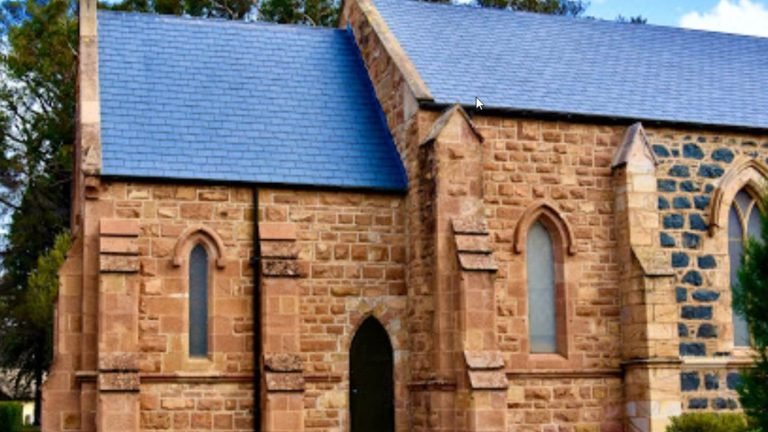
Regularly inspect your roof to catch potential issues early. Closely examine the surface for missing, cracked, or curling shingles, which can lead to leaks. Check the flashing around chimneys, vents, and skylights for proper sealing and installation. Verify gutters and downspouts are clear of debris and functioning correctly to divert water away from your home. Inspect roof ventilation systems for proper airflow. While DIY inspections are helpful, a professional assessment from a certified contractor can identify hidden problems and recommend the right solutions to protect your home's investment. To learn more about the importance of roof maintenance, continue reading.
Evaluating Roof Condition
Regularly inspecting your roof is essential for maintaining its integrity and catching potential issues before they escalate.
Start by considering your roof's age and maintenance history. Older roofs may show more signs of wear, while well-maintained ones may last longer.
Examine the surface for missing, cracked, or curling shingles, as these can indicate underlying problems. Look for signs your roof needs immediate repairs such as discoloration or mold, which could signal leaks.
Inspect flashing around chimneys, vents, and skylights, as these are common entry points for water. Pay close attention to the condition of your gutters and downspouts, as proper drainage is vital for roof longevity.
Identifying Visible Damage
When inspecting your roof for visible damage, it's important to examine it closely and methodically.
Regular seasonal roof maintenance checks and prompt roof maintenance are essential to identify and address issues before they escalate.
Check for the following:
- Missing, curled, or cracked shingles that can lead to leaks.
- Damaged or loose flashing around chimneys, vents, and skylights.
- Clogged gutters and downspouts that can cause water buildup and rot.
- Signs of moss, algae, or mildew, which can indicate moisture problems.
Inspecting Roof Flashings
Roof flashings are critical components that deserve close attention during your roof inspection.
Essential roof repair tips for Canberra homes can provide valuable guidance on properly maintaining and inspecting roof flashings.
Look closely at the flashing materials used around chimneys, vents, skylights, and roof edges. Verify they're properly sealed and securely installed to prevent leaks and water damage.
Inspect for signs of corrosion, cracks, or gaps in the flashing. If the flashing appears worn or damaged, it may need to be repaired or replaced by a professional roofer.
Proper flashing installation is essential for maintaining a watertight roof system. Pay attention to these often-overlooked areas to identify potential issues before they escalate into larger problems.
Checking Gutters and Downspouts
Your gutters and downspouts play an essential role in channeling water away from your home's foundation, protecting it from water damage.
As you inspect your roof, pay close attention to the condition of these critical components:
- Check for debris buildup that can obstruct water flow and cause overflows. Use a gutter scoop or trowel to remove leaves, twigs, and other accumulated material.
- Confirm downspouts are securely connected and directing water at least 6 feet away from the home's foundation.
- Look for signs of rust, cracks, or holes that may require gutter and downspout repairs or replacements.
- Test the functionality by running water through the system and verifying proper drainage.
Assessing Roof Ventilation
As you've addressed the condition of your gutters and downspouts, it's equally important to inspect the ventilation system of your roof. Proper roof ventilation is essential for maintaining a healthy, well-functioning roof. Examine your roof for the presence of whirlybirds or other ventilation systems. Verify they are in good working order and not obstructed. Check for adequate airflow and circulation, as this helps regulate temperature and humidity in your attic, preventing issues like mold and premature roof deterioration.
| Symptom | Potential Issue |
|---|---|
| Poor airflow | Blocked or damaged vents |
| Excessive heat buildup | Inadequate ventilation |
| Moisture accumulation | Improper air circulation |
Addressing ventilation concerns proactively can extend the lifespan of your roof and maintain a comfortable living environment.
Scheduling Professional Inspection
Though conducting a thorough DIY inspection is an excellent first step, scheduling a professional roof assessment is essential for guaranteeing your roof's long-term health.
A certified contractor can identify hidden issues, recommend the best course of action, and provide a detailed evaluation.
Some key benefits of a professional inspection include:
- Expertise in spotting complex problems that may be missed by an untrained eye
- Compliance with local building codes and regulations
- Identification of potential safety hazards or structural concerns
- Personalized recommendations for repairs, maintenance, or replacement
Don't wait until a problem arises – proactively schedule a professional roof inspection to protect your investment and guarantee your home's safety.
Frequently Asked Questions
How Often Should I Have My Roof Professionally Inspected?
It's recommended to have your roof professionally inspected at least once a year, preferably during seasonal changes. Utilize inspection checklists to guarantee thorough evaluations and maintain the longevity and safety of your roof.
What Types of Roofing Materials Are Best for My Climate?
The best roofing materials for your climate depend on factors like temperature, precipitation, and wind. Consider metal, asphalt, tile, or slate – each has unique benefits that can withstand your local conditions. Consult a roofing professional to determine the ideal choice.
Can I Repair My Roof Myself or Do I Need a Professional?
While some DIY roof repairs may be possible, it's generally safer and more effective to hire a professional roofer. They have the expertise, equipment, and safety precautions to properly address any roofing issues and guarantee long-lasting repairs.
How Much Does a Typical Roof Repair or Replacement Cost?
The cost of a roof repair or replacement can vary considerably based on factors like the extent of damage, materials used, and the size of your roof. For a professional assessment and quote, contact a local roofing specialist like TMR Roof Repairs Canberra.
What Are the Signs That My Roof Needs to Be Replaced?
Your roof may need replacement if you notice shingle wear, curling, or missing pieces, and experience persistent leaks despite repair attempts. These are clear signs your roof has reached the end of its lifespan and requires full replacement.
Final Thoughts
Regularly inspecting your roof is essential to maintaining its integrity and preventing costly repairs. By examining visible damage, inspecting flashings, checking gutters and downspouts, and evaluating ventilation, you can identify issues early and take proactive steps to address them. Remember to schedule professional inspections as well, ensuring your roof's long-term performance and the safety of your building's occupants.