
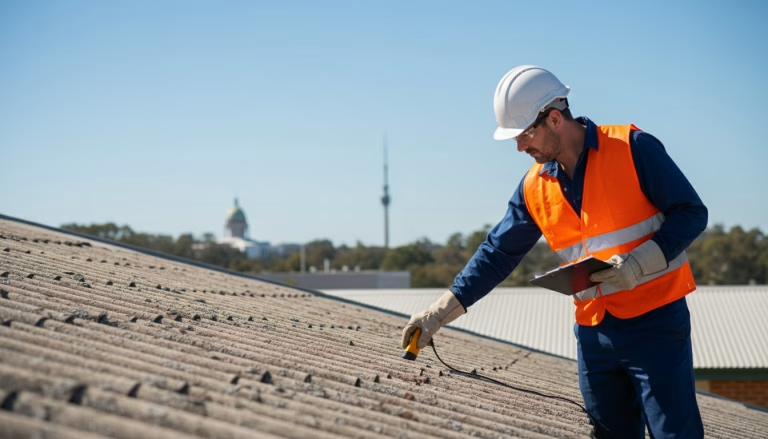
Many Australian properties constructed before the 1990s feature building materials containing asbestos. This fibrous mineral was prized for its durability and resistance to heat.
For homeowners in the ACT, dealing with an ageing asbestos roof presents a significant challenge. Understanding the material and its associated risks is the first step toward a safe solution.
When these materials degrade or are disturbed, they can release hazardous fibres into the air. This makes professional handling absolutely essential for any maintenance work. Specialised roof repairs in Canberra must follow strict safety and legal protocols.
For an immediate professional assessment, contact our experts on 0483 986 266. Our services provide peace of mind for your home and family.
Key Takeaways
- Asbestos was a common building material in homes built before the 1990s.
- Disturbing asbestos materials can release dangerous airborne fibres.
- Professional assessment is critical before any work begins.
- Specialised safety protocols must be followed during any maintenance.
- Roof Repairs Canberra offers expert services for these specific situations.
- Contact 0483 986 266 for a professional evaluation and quote.
Understanding Asbestos and Its Risks
The construction industry in Australia heavily relied on asbestos-containing products for decades before the health risks were fully understood. This mineral fibre was prized for its exceptional properties in various building applications.
What is Asbestos?
Asbestos refers to a group of naturally occurring silicate minerals with fibrous crystals. These materials gained popularity in construction due to their remarkable strength and heat resistance.
Builders extensively used these material components in Australian structures throughout the 20th century. The fibres provided durability for roofing, insulation, and other building elements.
Health Risks of Asbestos Exposure
When asbestos-containing materials become damaged or disturbed, they release microscopic fibres into the air. These tiny particles pose significant health concerns when inhaled.
The risk arises from the fibres lodging deep within lung tissue. This exposure can lead to serious conditions like mesothelioma and asbestosis.
Diseases related to asbestos exposure often develop decades after initial contact. This delayed onset makes proper handling crucial for protecting your home and family.
Can You Repair Asbestos Roof Safely?
Property owners often question the feasibility of maintaining older roofing materials safely. The answer involves strict protocols and professional expertise.
Specific safety precautions must govern all maintenance work. Any action that disturbs the material is prohibited.
Key Safety Precautions
Aged sheets become increasingly fragile over time. Weathering and deterioration make them prone to fibre release.
Even minor disturbances can trigger hazardous exposure. Cutting, drilling, or sanding must never be attempted.
Professional teams use containment systems and protective gear. Air monitoring ensures fibre control during repairs.
Professional Advice and Licensed Experts
DIY attempts are both dangerous and illegal under Australian law. Heavy penalties apply for non-compliance with regulations.
Licensed specialists possess the training and equipment for safe handling. They assess whether restoration or replacement is appropriate.
For expert assessment in Canberra, contact 0483 986 266. Proper evaluation determines the correct course of action for your property.
Assessing Roof Damage and Replacement Needs
Determining when maintenance is no longer sufficient involves recognizing clear markers of advanced decay. Property owners should understand the critical indicators that signal the need for professional assessment and potential roof replacement.
Identifying Signs of Severe Damage
Visible damage such as broken or crumbling tiles presents immediate concerns. These signs indicate material failure that compromises weather protection.
Excessive moss or algae growth suggests moisture retention problems. This condition accelerates deterioration of the roofing material over time.
Persistent water leaks despite previous fixes point to compromised integrity. The underlying sheets may have deteriorated beyond restoration.
Structural issues like sagging or bowing reveal significant support problems. Long-term water infiltration often causes this type of damage.
Roofing systems over thirty years old typically reach their functional lifespan. Even superficially intact surfaces may conceal internal decay requiring complete replacement.
Professional inspection provides accurate evaluation of the condition. Specialists determine whether restoration or full roof replacement represents the appropriate solution.
Professional Roof Inspection and Repair Solutions
Thorough inspection protocols guide the selection of appropriate remediation techniques. Qualified specialists conduct comprehensive evaluations before recommending any maintenance work.
Licensed professionals examine the entire roofing system systematically. They identify specific areas requiring attention and determine the safest approach.
Types of Asbestos Roof Repair Methods
Several specialised techniques address common issues with ageing roofing materials. Each method targets specific problems while maintaining safety standards.
Cracked sheets receive treatment with flexible, self-adhesive tape. Professionals then apply waterproofing membranes reinforced with fibres for durability.
| Repair Method | Application | Materials Used |
|---|---|---|
| Flexible Flashing | Cracked sheets and ridge caps | Wakaflex tape, polyurethane membrane |
| Sealant Application | Holes around fixings | Sikaflex paintable sealant |
| Targeted Patching | Localised damage areas | Fibre-enhanced coatings |
| Encapsulation System | Comprehensive protection | Multi-layer membrane system |
Encapsulation and Sealant Techniques
Encapsulation represents a comprehensive approach to roofing maintenance. This multi-step process ensures complete fibre containment and weather protection.
The procedure begins with mould treatment and primer application. Specialised sealers bind loose fibres before applying protective coatings.
Final membrane layers create durable, waterproof surfaces. This systematic approach extends the lifespan of existing materials safely.
Cost-Effective and Environmentally Friendly Repair Options
Choosing between restoration and full replacement involves significant financial considerations for property owners. Professional asbestos roof repairs typically represent a more economical solution compared to complete system overhaul.
The substantial costs of complete roof replacement include material expenses, labour-intensive removal procedures, and specialised disposal fees. Targeted repairs eliminate these major expenditures while addressing specific problem areas effectively.
Maintaining Historical or Architectural Value
Many Canberra properties feature distinctive architectural character worth preserving. Professional restoration work maintains the original aesthetic while ensuring weather protection and safety.
This approach saves money while respecting the building’s heritage value. The reduced disruption to daily home life represents another practical benefit.
Environmental considerations also favour the repair option. This method minimises waste generation and resource consumption associated with manufacturing new materials.
Ultimately, the most cost-effective solution provides long-term value through professional assessment and appropriate intervention strategies.
Complying With Safety Protocols and Legal Requirements
Compliance with established safety standards is non-negotiable for any work involving hazardous materials. Australian legislation sets rigorous requirements that licensed professionals must follow precisely.
These regulations protect workers, property owners, and the surrounding community. Strict adherence to established protocols ensures everyone’s wellbeing during maintenance activities.
Australian Regulations for Asbestos Repairs
Federal and state laws govern all activities involving specific building materials. Only certified specialists with proper licensing may perform this specialized work.
Professional companies follow comprehensive safety protocols during every project. These include containment systems, protective equipment, and air monitoring procedures.
Certain activities like water-blasting are explicitly prohibited under Australian law. Heavy penalties apply for violations of these critical regulations.
Thorough inspections by qualified teams determine the appropriate course of action. This professional assessment ensures full compliance with all legal requirements.
Reputable service providers maintain current certifications and insurance coverage. They deliver high-quality solutions that meet stringent industry standards.
Conclusion
Managing an ageing roofing system containing specific historical materials requires careful consideration. Professional assessment determines whether targeted repairs or complete replacement represents the safest approach.
Attempting any maintenance without proper licensing is both hazardous and illegal. Licensed specialists provide quality solutions that protect your home and comply with Australian regulations.
Roof Repairs Canberra offers expert services for these specialised situations. Our experienced team handles assessment, targeted repairs, and when necessary, safe removal.
Contact our specialists at 0483 986 266 for a professional inspection. Protect your property with confidence through our compliant and effective solutions.
FAQ
What safety protocols are essential for working on asbestos roofing materials?
Strict safety precautions are mandatory. These include using appropriate personal protective equipment (PPE), wetting the material to suppress fibres, and ensuring proper containment of the work area to prevent contamination.
How can I identify signs of damage that require a professional inspection?
Look for visible cracking, crumbling, or water leaks. Any deterioration that could release harmful fibres into the air warrants an immediate assessment by a licensed specialist to evaluate the condition.
Are there environmentally friendly solutions for managing these roofing issues?
A>Yes, encapsulation using specialised sealants is one option. This method seals the material in place, preventing fibre release. It can be a cost-effective alternative to full removal, preserving the original material.
What are the primary health risks associated with this hazardous material?
Inhaling airborne fibres can lead to serious lung diseases, including asbestosis and mesothelioma. These health risks make proper handling and compliance with Australian regulations critically important.
When is a complete roof replacement a better option than repairs?
Replacement is often recommended when damage is extensive or the overall structure is compromised. While the initial costs are higher, it eliminates future risks and can be a more permanent solution for your home.
How do professionals ensure air quality during repair or removal services?
Licensed companies use air monitoring equipment throughout the project. This measures fibre levels to guarantee safety protocols are effective and the work area remains safe for your family and the team.