
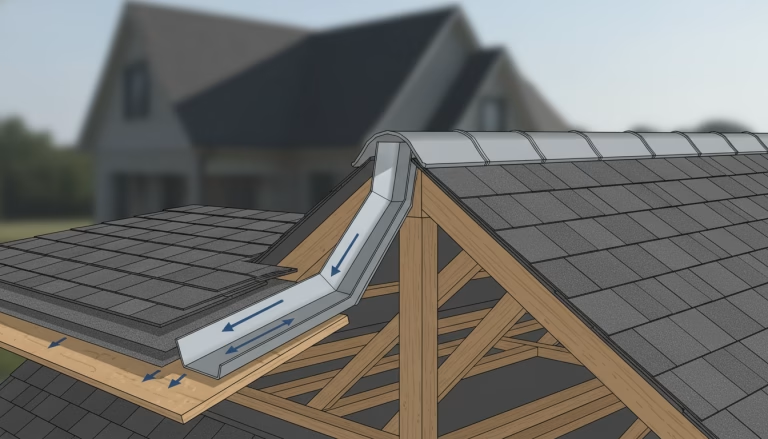
Your roof is your home’s first line of defence against the elements. Where two sloping sections meet, they form a critical feature known as a roof valley. This V-shaped channel acts as the main drainage path, especially vital during Canberra’s heavy storms.
These areas are lined with metal flashing, designed to guide water safely off the structure and into your gutters. When this system fails, it can lead to significant issues. Water infiltration causes leaks and, if ignored, can result in serious structural damage to your property.
Over time, valleys can suffer from rust, corrosion, and debris buildup. Canberra’s distinct seasonal weather accelerates this wear. Prompt attention is crucial to prevent minor problems from escalating into major, costly repairs.
This guide will help you understand the function of these essential components. You’ll learn to identify early signs of trouble and when to call the professionals. Protecting your investment starts with a well-maintained roofing system.
For expert assessment and peace of mind, contact Roof Repairs Canberra on 0483 986 266. Our local specialists provide thorough inspections and obligation-free quotes to safeguard your home.
Key Takeaways
- Roof valleys are essential V-shaped channels that direct water off your roof.
- They are lined with metal flashing to prevent water from seeping into your home.
- Common problems include rust, corrosion, and blockages from debris.
- Ignoring valley issues can lead to leaks and significant structural damage.
- Regular inspection and maintenance are key to protecting your property.
- Roof Repairs Canberra offers professional assessments for Canberra homeowners.
- Call 0483 986 266 today for a comprehensive check and quote.
Understanding Roof Valleys and Their Importance
Where opposing roof planes meet, they form specialised channels that manage water flow during rainfall. These critical intersections serve as the primary drainage system for your entire roofing structure.
Role of Roof Valleys in Effective Drainage
During heavy Canberra storms, these channels direct thousands of litres of water safely away from your home. The metal flashing lining each trough creates a waterproof barrier that protects vulnerable intersection points.
This system prevents water from seeping into the underlying structure. Properly functioning valleys ensure efficient water movement into gutter systems.
Identifying Common Signs of Damage
Homeowners should regularly inspect these critical areas for warning signs. Early detection prevents minor issues from escalating into major problems.
| Visible Signs | Structural Indicators | Time-Based Risks |
|---|---|---|
| Water stains on ceilings | Cracked or dislodged tiles | Homes over 15 years old |
| Rust streaks on metal | Sagging valley flashing | Lack of regular maintenance |
| Pooling water after rain | Deteriorated sealant | Poor initial installation |
Regular inspection of roof valleys is not just maintenance—it’s essential protection for your entire home structure.
Ignoring early warning signs can lead to significant interior water damage. Prompt attention to valley issues safeguards your property investment and prevents costly future repairs.
Preparing for Roof Repairs in Canberra
Before undertaking any work on your Canberra property’s roofing system, thorough preparation ensures both safety and quality results. Proper planning involves gathering the right equipment and understanding essential safety protocols.
Essential Tools and Materials for the Job
Professional-grade equipment makes a significant difference in roofing outcomes. Specialised tools like a utility knife with a hook blade allow precise cutting without damaging underlying membranes.
A proper roofer’s pry bar with the correct angle efficiently removes nails without harming surrounding materials. Sheet metal cutters ensure clean flashing installation, while galvanised nails provide lasting hold.
Safety Precautions for Rooftop Work
Working at height demands rigorous safety measures. Non-skid footwear and fall-arrest harness systems are mandatory, especially on steep surfaces. Appropriate clothing prevents movement restriction during the job.
Timing considerations are crucial in Canberra’s climate. Choose dry, stable weather conditions with moderate temperatures. Avoid windy days that create instability on the structure.
While understanding preparation is valuable, the complexity and risks involved make professional service the wisest choice. Roof Repairs Canberra brings the expertise needed for quality, lasting results.
how to repair roof valley
When water management systems on your property show signs of deterioration, a methodical restoration process is essential. This work demands precision and specialised knowledge to ensure long-term performance.
Step-by-Step Roof Valley Repair Process
The initial phase involves thorough assessment of existing damage. Professionals document the installation before methodical removal begins.
Using chalk lines to mark working areas, technicians carefully lift surrounding materials. They systematically clear debris and extract fasteners without harming reusable components.
New metal sheeting is cut to exact specifications matching the roof pitch. Installation requires precise alignment and secure fastening along the edges.
Expert Tips for Valley Flashing Replacement
Timing considerations significantly impact material handling. Early morning work during warmer months prevents excessive pliability.
Material suitability assessment determines whether restoration is feasible. Thirty-year dimensional shingles often work well, while older materials may require complete replacement.
Advanced techniques like warmed blades handle stubborn adhesives on premium products. These methods demonstrate the specialised skills professionals bring to complex scenarios.
Maintaining Your Roof: Prevention and Long-Term Care
A well-maintained roofing system provides lasting protection against Canberra’s seasonal challenges. Consistent care extends the lifespan of critical components significantly.
Regular Inspections and Debris Removal
Establishing a routine inspection schedule is essential for early problem detection. Professional assessments should occur every two years for newer structures.
Clear debris accumulation promptly after storms or autumn leaf fall. Blocked channels force water underneath materials, causing hidden deterioration.
| Roof Age | Inspection Frequency | Key Maintenance Tasks |
|---|---|---|
| Under 10 years | Every 2 years | Visual checks, gutter cleaning |
| 10-15 years | Annual | Flashing inspection, debris removal |
| Over 15 years | Twice yearly | Comprehensive assessment, minor repairs |
When to Seek Professional Assistance
Contact experts immediately upon noticing water stains or rust spots. Recurring blockages despite cleaning indicate underlying issues requiring attention.
Roof Repairs Canberra technicians identify subtle warning signs untrained eyes miss. Their comprehensive assessments prevent minor concerns from escalating into major structural damage.
Investing in professional care ensures optimal performance year after year. Protect your property with quality maintenance from local specialists.
Conclusion
Protecting your Canberra property demands attention to critical structural components. Properly functioning drainage channels serve as essential defences against water infiltration. Their failure can trigger cascading problems affecting your entire roofing system.
Watch for warning signs like water stains, rust spots, or damaged shingles. Small issues never resolve themselves and invariably worsen over time. Minor leaks can evolve into extensive water damage without professional intervention.
This specialised work requires precise installation techniques and appropriate material selection. Investing in expert assessment today prevents exponentially more expensive emergency repairs down the line. Most replacement projects typically complete within one to two days.
For comprehensive inspection and quality workmanship, contact Roof Repairs Canberra on 0483 986 266. Their team provides professional assessments and durable solutions tailored to Canberra conditions. Protect your home with timely action that ensures lasting peace of mind.
FAQ
What is the primary function of a roof valley?
A roof valley is a critical channel where two roof slopes meet. Its main purpose is to direct rainwater and debris efficiently off the roof and into the gutters, preventing water damage to the structure and sheeting beneath.
How can I tell if my roof valley needs attention?
Look for visible signs like cracked or missing shingles, rust on metal flashing, or water stains on interior ceilings. Persistent leaks, especially after rain, are a strong indicator that the valley flashing or surrounding material requires inspection.
What safety gear is essential for DIY rooftop work?
Safety is paramount. Always use a sturdy harness system, non-slip footwear, and a secure ladder. Never work alone or during wet or windy conditions. For complex jobs, engaging a qualified local business is the safest choice.
What is involved in replacing valley flashing?
The process typically involves carefully removing the old shingles and damaged metal with a pry bar, installing new high-quality flashing, and then re-shingling. Proper installation is key to ensuring a watertight seal and long-lasting performance.
How often should I inspect my roof valleys?
A visual check from the ground should be done seasonally. A more thorough inspection, including clearing leaves and debris, is recommended at least once a year to catch minor issues before they lead to major repairs.
When is it time to call a professional roofing contractor?
If you notice extensive damage, significant leaks, or feel unsure about working at height, contact a professional. They have the expertise, tools, and materials to handle the job correctly and safely, saving you time and potential further damage.