
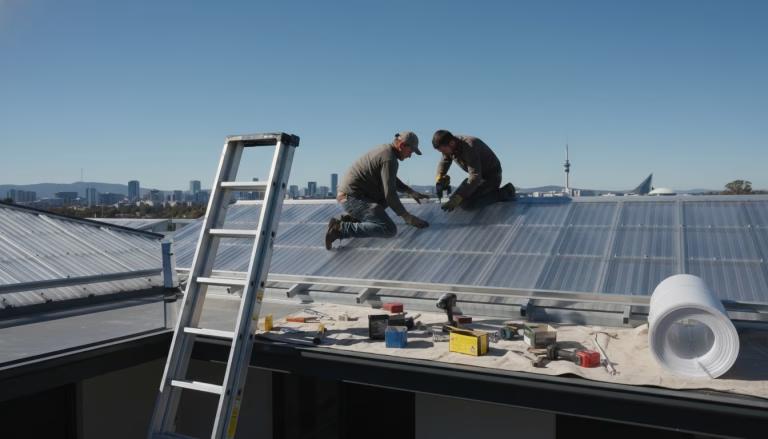
Polycarbonate roofing is a popular choice for Australian homes and commercial spaces. This durable thermoplastic material offers exceptional strength and clarity. It is significantly lighter than glass while providing excellent insulation and UV protection.
Common applications include conservatories, skylights, and patio enclosures. Proper maintenance is crucial for preserving the longevity and performance of your polycarbonate roof. This guide provides essential insights for Canberra residents.
Understanding potential issues and available solutions helps protect your investment. For immediate professional assistance with your roofing needs, Roof Repairs Canberra is ready to help. Call 0483 986 266 for expert service.
Key Takeaways
- Polycarbonate is a strong, lightweight material ideal for various roof applications.
- It provides excellent thermal insulation and protection from UV rays.
- Regular maintenance is key to extending the life of your polycarbonate sheeting.
- This guide covers assessment, maintenance, and when to call a professional.
- Timely action can prevent minor issues from becoming major problems.
- Roof Repairs Canberra offers specialised services for local properties.
Understanding Polycarbonate Roofing
Australian property owners increasingly favor polycarbonate sheeting for its unique combination of strength and transparency. This thermoplastic material offers distinct advantages over traditional glass alternatives.
Characteristics and Benefits
Polycarbonate boasts exceptional impact resistance, making it ideal for areas prone to harsh weather. It can withstand hail storms and falling debris without compromising structural integrity.
The material’s transparency allows excellent natural light transmission while providing UV protection. This dual functionality creates bright, comfortable spaces that remain protected from harmful rays.
Thermal insulation properties contribute significantly to energy efficiency. Homeowners benefit from reduced heating and cooling costs throughout the year.
Compared to glass, this lightweight material places less demand on supporting structures. Installation becomes simpler and more cost-effective for various applications.
Common Uses in Australian Homes
Residential applications include conservatories, patio enclosures, and carport covers. Skylights and pergola installations also benefit from this versatile material.
Properly maintained polycarbonate systems offer long-lasting performance. Their durability makes them a smart investment for Australian homeowners seeking reliable protection.
Roof Repairs Canberra: The Importance of Timely Maintenance
Proactive maintenance is essential for preserving the integrity of polycarbonate roofing systems in Canberra’s challenging climate. Regular attention prevents minor issues from escalating into costly structural problems.
Impact of Weather and UV Exposure
Canberra’s unique weather patterns present significant challenges for roofing materials. Temperature fluctuations, hail events, and strong winds test the durability of any installation.
Intense UV radiation gradually affects material quality over time. This exposure can lead to yellowing and reduced transparency if protective coatings deteriorate.
Neglecting small cracks or loose panels invites water infiltration. This compromises thermal performance and may damage underlying structures.
| Regular Maintenance Benefits | Neglect Consequences | Cost Comparison |
|---|---|---|
| Extended lifespan | Structural damage | Minor investment |
| Optimal performance | Water leakage | Major replacement |
| Aesthetic preservation | Reduced insulation | Long-term savings |
Professional assessment ensures proper care for your polycarbonate roof. Roof Repairs Canberra offers expert intervention at 0483 986 266.
Establishing routine inspection schedules maintains long-term roofing performance. This proactive approach protects your investment against environmental impact.
how to repair polycarbonate roof
Polycarbonate roofing systems can develop several distinct types of problems over their lifespan. Correctly identifying the specific type of deterioration is crucial for determining the appropriate solution.
Identifying Common Damage Types
Three primary categories of damage affect these installations. Impact-related issues include cracks from falling branches and dents from hail storms.
Surface deterioration presents different signs. These range from light scratches caused by improper cleaning to deep gouges and clouding from UV exposure.
Structural problems are more serious. They involve leaks at connection points, panel separation, and warping from heat.
Knowing when to fix versus replace depends on specific thresholds. Minor surface scratches affecting less than 25% of the area can often be addressed.
More extensive problems like multiple cracks or significant yellowing typically require full panel replacement. Professional assessment ensures the correct approach for your specific situation.
Assessing Damage and Safety Precautions
A comprehensive damage assessment provides the foundation for effective and safe restoration procedures. This systematic approach ensures all issues receive appropriate attention.
Checking for Cracks, Holes and Surface Wear
Begin with thorough visual inspection in optimal lighting conditions. Examine all affected areas carefully for various types of deterioration.
Look closely for hairline cracks that may extend under stress. Check both visible surfaces and panel undersides for complete evaluation.
Identify holes ranging from small punctures to larger impact damage. Assess whether surrounding material shows signs of compromise.
Evaluate surface wear including scratches, abrasions, and cloudiness. Determine the depth and extent of deterioration across all sheets.
Essential Safety Measures for Roof Repairs
Working at heights demands strict safety protocols. Proper equipment and precautions prevent accidents during assessment and restoration.
Essential protective gear includes harnesses, non-slip footwear, and safety goggles. Chemical-resistant gloves and dust masks provide additional protection.
| Damage Type | Assessment Method | Safety Priority |
|---|---|---|
| Cracks | Visual and tactile inspection | High – structural risk |
| Holes | Size measurement and edge examination | Medium – water ingress |
| Surface wear | Light reflection testing | Low – aesthetic concern |
Environmental considerations include avoiding work during adverse weather. Secure ladder placement and having a spotter present enhance safety significantly.
When damage assessment reveals issues beyond DIY capabilities, professional services at 0483 986 266 provide expert solutions.
Tools, Materials and Techniques for Effective Repairs
Successful restoration of polycarbonate sheeting depends on having the right equipment and supplies. Proper preparation ensures efficient work and lasting results for your roofing project.
Basic Toolkit and Quality Sealants
Essential items fall into several categories based on the type of work required. Cleaning and surface restoration demand specific gentle materials.
A mild dish soap solution with soft microfibre cloths prevents scratching during cleaning. Fine-grit sandpaper (400-grit or higher) addresses surface imperfections without causing additional damage.
For sealing and protection, quality silicone sealants formulated for plastic materials provide superior weatherproofing. These specialized products maintain flexibility while creating durable bonds.
- Surface restoration: Buffing compounds, non-abrasive polishes, protective waxes
- Structural work: Circular saws, tin snips, electric drills with safety equipment
- Finishing touches: Anti-dust sealing tape, lint-free cloths, measuring tools
Investing in premium materials versus economy options significantly impacts repair longevity. Professional services at 0483 986 266 come fully equipped with all necessary tools for comprehensive solutions.
Australian homeowners can source these items from local hardware suppliers. Having the correct equipment prepares you for effective maintenance of your roofing sheets.
Types of Polycarbonate Roof Repairs
Different levels of damage to polycarbonate roofing require specific restoration approaches. Understanding these categories helps homeowners choose appropriate solutions.
Small Cracks, Holes and Surface Damage
Minor issues like hairline fractures and small punctures respond well to simple fixes. Cleaning the affected area thoroughly prepares surfaces for sealant application.
For cracks and holes, quality silicone products create effective weatherproof barriers. Proper curing time ensures lasting protection against water infiltration.
Surface imperfections like scratches benefit from gentle polishing techniques. Progressive buffing restores clarity without compromising material integrity.
Minor surface damage affecting less than 25% of a panel often remains within DIY capabilities.
| Damage Type | Recommended Solution | Skill Level Required |
|---|---|---|
| Hairline cracks | Silicone sealant application | Basic DIY |
| Small holes ( | Patching with repair tape | Intermediate DIY |
| Surface scratches | Polishing and buffing | Basic DIY |
Panel Replacement and Structural Fixes
Extensive damage often necessitates complete panel replacement. This becomes necessary when multiple cracks appear or structural integrity weakens.
Installing new polycarbonate sheets requires precise measurements and secure fastening. Proper installation ensures seamless integration with existing structures.
Structural issues like warping or framework problems demand professional intervention. Roof Repairs Canberra provides expert assessment at 0483 986 266 for complex situations.
Step-by-Step Repair Process
Executing a systematic restoration process ensures optimal results for your roofing system. Each phase requires careful attention to detail for lasting performance.
Surface Cleaning and Sealant Application
Begin with thorough surface preparation using mild soap solution and soft microfibre cloths. Remove all dirt, debris, and contaminants that could compromise adhesion.
Apply silicone sealant extending approximately 1cm beyond the damaged area. Follow product guidelines for uniform coverage and weatherproof sealing.
Allow proper curing time of 24-48 hours under suitable environmental conditions. This bonding period is critical for effective sealing against water penetration.
Polishing, Buffing and Final Quality Checks
For surface imperfections, employ gentle circular motions with appropriate pressure levels. Progressive refinement achieves clear, smooth finishes without damaging the material.
Complete panel replacement requires precise alignment and secure fastening every 300mm on edges. Internal supports should follow 600mm spacing for structural integrity.
Conduct final inspections for visual consistency and water resistance. Verify that all restored areas maintain both aesthetic appeal and functional performance.
While these steps enable capable DIY restoration, professional services at 0483 986 266 ensure expert execution for complex situations.
Maintenance and Long-Term Care for Durable Roofing
A well-planned maintenance regimen directly contributes to the long-term durability and cost-effectiveness of your installation. Consistent care helps prevent minor issues from escalating, preserving the material’s lifespan and performance over time.
Routine Inspections and Cleaning
Conducting regular inspections every three months is crucial for early problem detection. Check sheets in direct sunlight for scratches or cracks. Test joint seals and assess the support frame for corrosion.
Proper cleaning maintains clarity and appearance. Use a solution of 240ml mild soap with 4 litres of lukewarm water. Apply with soft microfibre cloths to avoid surface damage.
Rinse thoroughly with clean water and dry using lint-free cloths. This simple process helps prevent dirt buildup and keeps your polycarbonate panels looking their best.
Preventive Measures and Protection Tips
Proactive strategies significantly extend your roofing system’s service life. Apply UV-resistant protective films to help prevent yellowing. Maintain a 3mm expansion gap per metre of sheet length.
Always use rubber washers with fasteners during installation. Trim overhanging branches within two metres to prevent impact damage from falling debris.
| Maintenance Task | Recommended Frequency | Key Benefit |
|---|---|---|
| Surface Inspection | Every 3 Months | Early Issue Detection |
| Deep Cleaning | Every 6 Months | Optical Clarity |
| Seal & Frame Check | Annually | Structural Integrity |
Establishing this routine helps prevent costly major repairs. For professional maintenance services, contact Roof Repairs Canberra on 0483 986 266.
Conclusion
The longevity of your home’s protective covering depends significantly on timely response to environmental wear and tear. Regular maintenance extends material lifespan considerably while preventing minor issues from escalating.
Cost-effective solutions exist for various damage types. Proper installation techniques with adequate support ensure lasting performance. Routine inspections and cleaning preserve structural integrity.
While many situations allow capable DIY approaches, complex damage warrants professional expertise. Roof Repairs Canberra offers comprehensive assessment and restoration services.
Contact our experienced team at 0483 986 266 for expert solutions. We provide reliable service for all your roofing needs, from minor surface attention to complete panel replacement.
FAQ
What are the most common issues affecting polycarbonate sheets?
The most frequent problems include surface scratches, impact cracks from hail or debris, and small holes. Over time, UV exposure can also cause yellowing, which reduces light transmission. Regular inspections help identify these issues early.
Can I perform polycarbonate roofing repairs myself?
Yes, minor fixes like sealing small cracks are often manageable with the right tools and materials. For significant damage, panel replacement, or structural concerns, contacting a professional roofing service in Canberra ensures safety and maintains the roof’s integrity.
How does the Australian weather affect the lifespan of this material?
Intense sun, summer storms, and hail can test the durability of polycarbonate panels. High-quality sheets with UV protection offer better resistance, but proper installation and ongoing maintenance are crucial for maximising their service life.
What maintenance is required to keep my roof in good condition?
A simple routine of gentle cleaning to remove dirt and debris, combined with periodic checks for signs of wear, helps prevent major damage. This proactive care supports the long-term performance of your roofing system.
When is a full panel replacement necessary instead of a repair?
Replacement becomes the best solution when sheets have extensive cracking, large holes, or significant loss of structural integrity. A professional assessment can determine if a repair will suffice or if a new panel is needed for safety.