
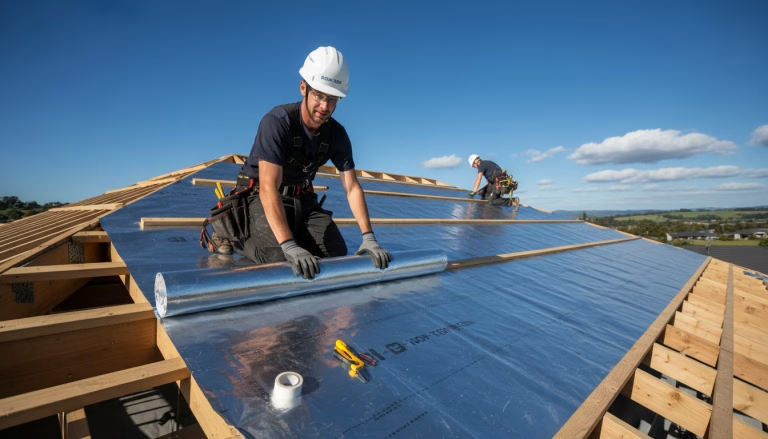
For Canberra property owners, maintaining a sound roofing system is paramount. The protective layer beneath your tiles or metal sheeting plays a critical role in your home’s defence against the elements. Since 1996, Australian building standards have mandated this underlay for new constructions.
Our nation’s capital experiences distinct seasonal shifts, from hot summers to chilly winters. These conditions test the integrity of every building component. A compromised underlay can lead to significant issues, including energy loss and potential water damage.
This guide offers vital insights for local residents. It helps you identify when your property requires professional attention. For immediate expert assistance with these essential repairs in Canberra, you can reach specialists at 0483 986 266.
Key Takeaways
- Sarking has been a mandatory part of Australian roofing since 1996.
- It acts as a crucial protective barrier beneath your main roof covering.
- Canberra’s climate places unique demands on this component.
- Timely maintenance can prevent costly water and energy issues.
- Professional services often include comprehensive workmanship warranties.
- Knowing when to call an expert is key to protecting your investment.
Introduction to Roof Sarking and Its Importance
Beneath the visible surface of your roof lies a critical defence system for your property. This essential component works silently to protect your home from multiple environmental challenges.
What is Sarking?
Sarking consists of a reflective foil laminate installed under primary roofing materials. This specialised layer creates a secondary barrier against external elements.
The material’s construction allows it to manage moisture while maintaining breathability. Professional installers emphasise its cost-effective protective qualities.
Why Sarking is Essential in Modern Roofing
Modern building standards recognise this component’s multi-functional benefits. It addresses thermal regulation, condensation control, and dust prevention simultaneously.
The reflective properties deflect summer heat while providing winter insulation. This contributes significantly to year-round energy efficiency and comfort.
Australian regulations have mandated this protective system since 1996. Understanding its value helps homeowners maintain their property’s integrity effectively.
How to repair roof sarking: A Step-by-Step Guide
A systematic approach ensures effective restoration of the protective foil layer beneath your tiles. Proper methodology guarantees long-lasting results and maintains thermal efficiency.
Preparing Your Roof for Repair
Thorough assessment precedes any restoration work. Identify all areas where the foil laminate has separated or deteriorated. This comprehensive evaluation ensures complete coverage.
Safety remains paramount during preparation. Ensure adequate lighting and stable footing in the roof space. Appropriate safety equipment protects against potential hazards.
| Preparation Component | Essential Requirements | Safety Considerations |
|---|---|---|
| Work Area Assessment | Adequate lighting, clear access | Stable structural elements |
| Damage Identification | Complete cavity inspection | Proper footing surfaces |
| Material Preparation | Correct reflective tape | Personal protective equipment |
| Technique Planning | Sequential application method | Emergency exit routes |
Applying Reflective Insulation Tape Effectively
Specialised silver insulation tape designed for foil laminate applications delivers optimal results. This material maintains reflective properties across extreme temperature ranges.
The correct application technique involves smoothing layers and applying tape longitudinally. Half the tape width adheres to each layer, creating a continuous sealed join.
Bare hands work best for application, as gloves can compromise adhesive bonding. Temporary sections secure positioning before final continuous strips ensure complete coverage.
For professional restoration services in Canberra, contact 0483 986 266. Experts guarantee work completed to highest standards with appropriate materials and techniques.
Understanding the Role of Sarking in Roof Protection
Beyond the visible roofing materials lies an essential component that safeguards your home’s interior environment. This protective layer functions as a secondary defence system against various environmental threats.
The foil membrane acts as a crucial moisture barrier beneath primary coverings. It intercepts water penetration from damaged tiles or severe weather conditions.
Water Resistance and Condensation Control
Properly installed sarking directs captured moisture toward designated drainage points. This prevents saturation of insulation materials and structural timber elements.
Condensation management represents one of the most vital protective functions. Canberra’s significant temperature variations create ideal conditions for moisture formation.
When warm indoor air meets cooler roof surfaces, condensation naturally occurs. The sealed barrier prevents this moisture from dripping onto ceiling structures.
Reflective properties work with barrier functions to stabilise thermal conditions. This minimises temperature differentials that cause condensation issues.
Metal roofing systems particularly benefit from continuous sealing applications. Rapid temperature changes make effective condensation control essential for long-term protection.
Common Issues with Sarking and How They Affect Your Home
Several distinct indicators can alert homeowners to problems with their roof’s secondary barrier. These warning signs often appear gradually but signal underlying protective system failures.
Water marks on ceilings represent the most common visible symptom. Unexplained energy bill increases suggest thermal regulation problems. Attic inspections may reveal sagging or torn material.
| Signs Observed | Affected Areas | Potential Consequences |
|---|---|---|
| Ceiling water stains | Interior surfaces | Water damage to structures |
| Higher energy costs | Heating/cooling systems | Reduced efficiency |
| Mould growth in attic | Air quality | Health concerns |
| Excessive indoor dust | Living spaces | Poor air filtration |
Signs of Damaged or Missing Sarking
Moisture penetration through compromised barriers leaves clear evidence. Discolouration appears where water reaches interior surfaces. Thermal inefficiency forces climate control systems to work harder.
Visual inspection often reveals material separation near shifted tiles. Mould development indicates failed condensation management. Dust infiltration suggests barrier integrity loss.
Potential Risks of Poorly Installed Sarking
Initial installation flaws create persistent vulnerabilities. Inadequate seam taping represents a frequent source of issues. These problems compromise the system from the beginning.
Ongoing moisture exposure risks structural timber deterioration. Wooden components may develop rot requiring significant intervention. Early professional assessment prevents escalation of these concerns.
Tools and Materials Needed for Sarking Repair
The right equipment and materials determine the longevity and effectiveness of your protective barrier work. Quality components ensure the finished job withstands Canberra’s climate challenges.
Essential Tools for the Job
Successful restoration requires specific implements. A sharp utility knife ensures clean cuts through the material. Accurate measuring tools prevent waste and ensure proper coverage.
Safety remains paramount during this type of work. Appropriate footwear provides stability in roof spaces. Protective gloves and masks shield against insulation particles.
| Essential Tool | Primary Function | Safety Benefit |
|---|---|---|
| Utility Knife | Precise material cutting | Reduces slip hazards |
| Measuring Tape | Accurate sizing | Prevents over-reaching |
| Straight Edge | Clean straight cuts | Stable cutting surface |
| Safety Gloves | Hand protection | Prevents cuts and abrasions |
Selecting the Right Sarking Material
Specialised reflective tape represents the most critical material for this job. This product differs significantly from standard adhesives. It maintains integrity across extreme temperature ranges.
Heavy-duty poly material offers professional-grade durability. This quality option resists tearing during installation. It provides long-term performance in demanding environments.
Metal roofing systems require specific considerations. Thermal expansion and condensation management differ from tiled applications. Always select materials rated for your specific roof type.
Professional Roof Repairs in Canberra: When to Call 0483 986 266
Expert roofing services provide comprehensive solutions that go beyond temporary fixes to ensure long-term property protection. While minor issues might suit DIY approaches, significant damage requires professional assessment.
Canberra homeowners benefit from contacting specialists at 0483 986 266 when facing extensive deterioration. These experienced professionals understand local climate challenges and building requirements.
Expert Services Offered in Canberra
Professional interventions involve systematic processes that address root causes. Services include complete tile removal, batten inspection, and replacement of damaged components.
The methodology ensures proper installation of heavy-duty poly material across rafters. Valley sealing and tile replacement using modern spring clips complete the comprehensive approach.
Specialists with over three decades of experience bring proven methodologies to each project. This depth of knowledge guarantees effective solutions for various roofing challenges.
Warranties and Quality Assurance
Quality workmanship comes with substantial protection for homeowners. Reputable providers typically offer five-year leak-free guarantees on their work.
This warranty coverage provides peace of mind regarding materials and installation techniques. The assurance reflects confidence in the durability of completed projects.
For professional assessments and lasting solutions, Canberra residents can call 0483 986 266. Expert consultations help homeowners make informed decisions about their property’s protection.
Maintenance Tips to Prolong the Life of Your Roof Sarking
Preserving the protective qualities of your home’s underlay system requires consistent attention to the broader roofing structure. Although the foil layer itself demands little upkeep, its performance depends on the condition of surrounding components.
Regular Inspection and Upkeep
Annual assessments by qualified professionals help identify minor issues before they escalate. These checks should examine tile alignment, flashing integrity, and gutter functionality.
Proper attic ventilation plays a crucial role in moisture management. Adequate airflow reduces humidity levels, minimising condensation formation.
Clean gutters prevent water backup that can compromise edge seals. This simple maintenance task protects vulnerable termination points.
The benefits of this proactive approach extend throughout your entire property. Early intervention prevents small problems from becoming major expenses.
Establishing a maintenance schedule ensures continuous protection for your investment. This systematic approach maximises the lifespan of all components.
Expert Insights and Techniques for Effective Sarking Installation
Experienced specialists employ proven methodologies that distinguish superior installations from basic applications. Their approach combines decades of field knowledge with contemporary material science.
Master craftsmen understand that meticulous preparation forms the foundation of every successful project. They begin with comprehensive structural assessments before commencing work.
Best Practices from Experienced Roofers
Seasoned professionals follow systematic procedures that ensure optimal results. The process involves careful removal and organisation of roofing components.
Battens require complete removal to allow proper placement of protective materials. This method guarantees unobstructed access across the entire surface area.
Working from the lowest point upward creates effective water-shedding overlaps. Each layer must direct moisture outward, preventing backward travel under seams.
Innovative Methods for Installation and Repair
Modern techniques have revolutionised traditional approaches to protective systems. Spring clips now secure tiles while accommodating thermal movement.
Valley areas receive specialised sealing treatments that integrate seamlessly with main layers. These high-flow zones demand extra attention to prevent common leakage points.
Advanced access methods allow targeted interventions without complete disassembly. This innovation saves time and costs while addressing localised issues effectively.
Conclusion
Effective management of your building’s thermal performance begins with proper care of the secondary protective system installed under main roofing components. This essential layer contributes significantly to your home‘s comfort and protection throughout Canberra’s varied climate conditions.
The benefits extend beyond basic weather protection to substantial energy savings and improved indoor air quality. Proper insulation reduces heating costs while preventing dust infiltration and moisture issues.
For professional assessment and quality roof services in Canberra, contact experienced specialists at 0483 986 266. They provide comprehensive solutions that restore your property’s protective sarking system to optimal condition.
FAQ
What is the primary purpose of sarking in a roofing system?
Sarking acts as a secondary barrier that provides crucial protection. It helps control condensation, improves energy efficiency by reflecting heat, and offers an extra layer of defence against dust and water ingress. This material is vital for modern home insulation.
Can I repair damaged sarking myself, or should I hire a professional?
Minor issues, like a small tear, can sometimes be a DIY job using specialised foil tape. However, for extensive damage, missing sections, or problems related to the initial installation, it’s best to contact a professional. Incorrect repairs can lead to significant issues like mould growth and reduced thermal performance.
How does sarking contribute to better energy efficiency in my home?
High-quality reflective sarking, often a foil-based material, creates a radiant barrier in your roof. It reflects a substantial amount of radiant heat away from the living space in summer and helps retain warmth in winter. This reduces the workload on your heating and cooling systems, lowering energy costs.
What are the common signs that my roof sarking needs attention?
Key indicators include visible tears or sagging material in the roof cavity, drafts, uneven temperatures in the home, or a sudden increase in energy bills. Signs of moisture, such as water stains on ceilings or mould growth, can also point to sarking failure affecting ventilation.
What materials are typically used for sarking in metal and tile roofs?
Sarking is commonly a flexible, reinforced material like a laminate or a woven fabric. Many modern products feature a reflective aluminium foil layer bonded to a tough substrate. The specific type chosen depends on the roofing material and the desired level of protection and insulation.
Why is proper ventilation important when installing or repairing sarking?
Adequate roof ventilation is critical. It works in tandem with sarking to manage air flow and prevent condensation buildup. Without proper ventilation, trapped moisture can lead to timber rot, mould, and insulation problems, undermining the benefits of the sarking itself.