
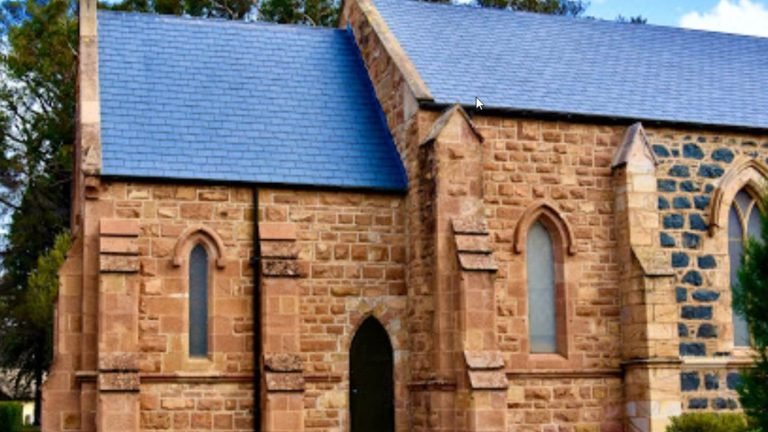
We’ve compiled the top 10 roof maintenance tips for Canberra homeowners. Regular inspections, gutter cleaning, and debris removal are essential. Don’t forget to trim overhanging branches and address moss or algae growth promptly.
Check for loose or damaged tiles, and seal roof penetrations to prevent leaks. Reinforce your roof against bushfire threats, and be prepared to clear snow and ice buildup during colder months. Implement a professional maintenance schedule for thorough assessments.
Following these tips will extend your roof’s lifespan and protect your home from Canberra’s unique climate challenges. Discover how each tip can greatly impact your roof’s longevity and performance.
Regular Roof Inspections
We can’t overstate the importance of regular roof inspections for Canberra homeowners. These inspections are vital for identifying potential issues before they escalate into costly repairs. We recommend conducting detailed checks at least twice a year, ideally during spring and autumn.
When conducting these inspections, it’s important to follow essential inspection tips to guarantee no damage goes unnoticed.
To guarantee a thorough assessment, we suggest using a roof inspection checklist. This should include examining shingles for damage or wear, checking gutters and downspouts for blockages, inspecting flashing around chimneys and vents, and looking for signs of water damage or leaks in the attic.
It’s also critical to assess the overall structural integrity of the roof.
The seasonal inspection benefits are significant. Spring inspections allow us to identify any damage caused by winter weather, while autumn checks help prepare the roof for the upcoming colder months.
For Canberra homeowners who aren’t comfortable performing these inspections themselves, we strongly advise hiring a professional roofing contractor. Their expertise can provide a more detailed evaluation and guarantee no potential problems are overlooked.
Clean Gutters and Downspouts
We’ll now address the vital task of cleaning gutters and downspouts, essential for maintaining your Canberra roof’s integrity.
Regular gutter cleaning provides essential benefits for your home, including preventing water damage and extending the lifespan of your roof.
Removing debris regularly and checking for blockages that can lead to water damage and roof deterioration is imperative.
We recommend installing gutter guards as an effective preventive measure to reduce the frequency of manual cleaning and protect your roof system.
Remove Debris Regularly
Nearly all roofing experts agree that removing debris regularly is one of the most critical maintenance tasks for Canberra homeowners.
We can’t stress enough the importance of roof cleaning and debris removal to maintain your roof’s integrity and longevity.
In Canberra’s climate, leaves, twigs, and other organic matter can accumulate quickly on your roof, especially during autumn. This debris, if left unchecked, can trap moisture and promote the growth of moss, algae, and mould.
These organisms can compromise your roof’s structure and lead to costly repairs.
We recommend inspecting your roof at least twice a year, ideally in spring and autumn. Use a leaf blower or a soft-bristled brush to gently remove debris from the roof surface.
Pay special attention to valleys, corners, and areas around chimneys or skylights where debris tends to collect. For steep or high roofs, it’s best to hire professionals to guarantee safety and thorough cleaning.
Check for Blockages
Alongside regular debris removal, checking for blockages in gutters and downspouts is vital for maintaining your Canberra home’s roof.
We recommend inspecting these important components of your roof drainage system at least twice a year, ideally in early spring and late autumn. During these inspections, we’ll look for signs of clogging, such as leaves, twigs, and other debris that can impede water flow.
It’s important to clear any obstructions promptly to prevent water from pooling on your roof. Stagnant water can lead to serious issues like roof leaks, structural damage, and even mould growth.
We’ll use specialized tools to remove blockages and guarantee smooth water flow through your gutters and downspouts.
Don’t forget to check for proper gutter alignment and secure fastening. Sagging or misaligned gutters can cause water to overflow, potentially damaging your home’s foundation.
We’ll also inspect downspout extensions to make sure they’re directing water away from your property effectively.
Install Gutter Guards
To further enhance your gutter system’s performance and reduce maintenance needs, installing gutter guards is a smart investment for Canberra homeowners.
These protective devices come in various gutter guard types, including mesh screens, reverse curve systems, and foam inserts. Each type offers unique advantages, but all serve to prevent debris accumulation while allowing water to flow freely.
The installation benefits of gutter guards are numerous. They considerably reduce the frequency of gutter cleaning, saving you time and potentially hazardous ladder work.
By keeping leaves, twigs, and other debris out, gutter guards also minimize the risk of blockages that can lead to water overflow and damage to your home’s foundation or exterior walls. Additionally, they help prevent rust and corrosion in metal gutters by reducing moisture retention.
When selecting gutter guards, consider Canberra’s specific climate and vegetation. Look for options that can handle heavy rainfall during storms and are resistant to UV damage from intense sunlight.
While professional installation guarantees ideal performance, some DIY-friendly options are available for the handy homeowner. Regardless of the type chosen, regular inspections are still necessary to guarantee continued effectiveness.
Trim Overhanging Tree Branches
We’ll now focus on trimming overhanging tree branches, an essential task for Canberra homeowners.
By removing branches that extend over your roof, we’re able to prevent the accumulation of leaves, twigs, and other debris that can clog gutters and retain moisture.
Prevent Debris Accumulation
While maintaining your roof in Canberra, it’s essential to prevent debris accumulation, particularly by trimming overhanging tree branches. Debris types commonly found on Canberra roofs include leaves, twigs, and seeds from native eucalyptus and other tree species. Accumulation causes range from wind-blown debris to animal activity.
To effectively manage debris, we recommend regular inspections and cleaning. Here’s a guide to help you understand the impact of different debris types and their removal frequency:
| Debris Type | Impact on Roof | Removal Frequency |
|---|---|---|
| Leaves | Moisture retention | Monthly |
| Twigs | Gutter blockage | Quarterly |
| Seeds | Seedling growth | Bi-annually |
| Bird nests | Structural damage | As needed |
We can’t stress enough the importance of safe practices when cleaning your roof. Use proper equipment and consider hiring professionals for steep or high roofs. Remember, preventing debris accumulation isn’t just about aesthetics; it’s vital for maintaining your roof’s integrity and extending its lifespan.
Reduce Moisture Retention
Reducing moisture retention is an essential aspect of roof maintenance in Canberra, closely linked to debris management. We can’t stress enough the importance of trimming overhanging tree branches to minimize moisture-related issues. These branches not only contribute to debris accumulation but also create shaded areas where moisture lingers, promoting moss and algae growth.
To effectively reduce moisture retention, we recommend implementing proper moisture barriers and drainage solutions. Install high-quality underlayment beneath your roofing materials to prevent water infiltration. Confirm that your roof’s slope is adequate for efficient water runoff, and keep gutters and downspouts clear to facilitate proper drainage.
Consider applying water-resistant coatings or sealants to your roof’s surface, particularly in areas prone to water pooling. These protective layers can greatly enhance your roof’s ability to repel moisture.
Additionally, we advise installing roof ventilation systems to promote air circulation and reduce humidity levels in your attic space.
Regular inspections are vital to identify and address any signs of moisture-related issues promptly. By implementing these strategies, we can effectively reduce moisture retention and extend the lifespan of your Canberra roof.
Minimize Storm Damage Risk
Three key strategies can help minimize storm damage risk to your Canberra roof, with trimming overhanging tree branches being essential. We recommend regular inspections and pruning of nearby trees to prevent branches from scraping or falling onto your roof during high winds.
In addition to tree management, we advise implementing these storm preparedness strategies:
| Strategy | Purpose |
|---|---|
| Secure loose items | Prevent projectiles |
| Clean gutters | Guarantee proper drainage |
| Reinforce weak spots | Strengthen vulnerable areas |
| Install storm shutters | Protect windows |
| Prepare emergency kit | Enable quick repairs |
An emergency repair kit is vital for addressing immediate post-storm issues. We suggest including tarpaulins, roofing tape, and sealant to temporarily patch leaks or cover damaged areas. It’s also wise to have spare tiles or shingles on hand for quick replacements.
Address Moss and Algae Growth
On many Canberra roofs, moss and algae growth can become a significant issue.
These organisms thrive in our region’s climate, particularly on shaded or north-facing roof sections. Left unchecked, they can lead to moisture retention, accelerated shingle deterioration, and even structural damage.
Vital roof maintenance includes addressing moss and algae growth promptly to protect your home’s integrity. We recommend a proactive approach to moss removal and algae prevention to maintain your roof’s integrity and appearance.
To effectively address moss and algae growth, follow these steps:
- Inspect your roof regularly, especially after wet seasons, to identify early signs of growth.
- Implement proper moss removal techniques, such as using a soft-bristled brush or low-pressure washing with appropriate cleaning solutions.
- Apply zinc or copper strips along the roof ridge to create a metal-ion barrier that inhibits moss and algae growth.
It’s important to avoid harsh chemicals or high-pressure cleaning methods that may damage your roofing materials.
For stubborn infestations, we advise consulting a professional roofing contractor. They can safely remove existing growth and apply preventive treatments tailored to your specific roof type and local conditions.
Check for Loose or Damaged Tiles
Let’s turn our attention to checking for loose or damaged tiles, an important aspect of roof maintenance in Canberra.
We recommend inspecting your roof after severe weather events, as these can dislodge or crack tiles.
It’s essential to replace any cracked or missing tiles promptly and secure loose fastenings to prevent water ingress and further damage.
Inspect After Severe Weather
Inspecting your roof after severe weather is essential for maintaining its integrity and preventing further damage. In Canberra, we’re no strangers to extreme weather conditions, from intense hailstorms to scorching heat waves. These events can cause significant weather-related damage to your roof, making post-storm inspections vital.
When conducting a roof inspection after severe weather, it’s important to prioritize roof safety precautions. Always use a sturdy ladder, wear non-slip shoes, and consider using a safety harness. If you’re not comfortable with heights or lack experience, it’s best to hire a professional roofing contractor.
During your inspection, focus on the following key areas:
- Gutters and downspouts: Check for debris blockages, detachment, or damage
- Flashing: Look for signs of lifting, cracking, or separation around chimneys and vents
- Shingles or tiles: Identify any that are missing, cracked, or curling
Document any damage you find with photos and notes. This will be helpful if you need to file an insurance claim or consult with a roofing professional.
Replace Cracked or Missing
After identifying any roof damage during your post-storm inspection, it’s time to address one of the most common issues: cracked, missing, or damaged tiles.
These problems can lead to water leaks, insulation damage, and structural issues if left unattended. We recommend replacing damaged tiles as soon as possible to maintain your roof’s integrity.
For concrete or terracotta tiles, carefully remove the damaged piece and replace it with a matching tile. Confirm proper overlap and alignment with surrounding tiles.
If you’re dealing with metal roofing, replace damaged sheets or panels, paying attention to proper fastening and sealing.
It’s vital to match the replacement materials to your existing roof to maintain its appearance and functionality. If you’re unsure about the type of tile or material needed, consult a professional roofer.
Regular roof repair and maintenance frequency are key to preventing extensive damage.
We suggest scheduling a thorough inspection at least once a year, in addition to post-storm checks.
Secure Loose Fastenings
Security is paramount when it comes to roof maintenance. In Canberra’s climate, verifying that all roof fastenings are secure is vital for protecting your home from the elements.
We’ll guide you through the process of checking and securing loose fastenings, focusing on tiles, as they’re common in our region.
First, let’s examine the importance of proper fastening:
- Prevents water infiltration
- Maintains structural integrity
- Extends the roof’s lifespan
When inspecting your roof, pay close attention to the fastening materials and installation methods used. Look for signs of corrosion, wear, or damage to nails, screws, or clips.
If you notice any loose tiles or fasteners, it’s important to address them promptly.
To secure loose fastenings, we recommend using appropriate materials suited for Canberra’s weather conditions. Stainless steel or hot-dip galvanized fasteners offer excellent corrosion resistance.
When re-securing tiles, verify proper overlap and alignment to maintain waterproofing. If you’re unsure about the correct installation methods, consult a professional roofer familiar with local building codes and best practices.
Regular inspections and maintenance of roof fastenings will help prevent costly repairs and extend your roof’s longevity, protecting your home for years to come.
Maintain Proper Attic Ventilation
Proper attic ventilation is imperative for maintaining the health and longevity of your Canberra roof. We can’t stress enough how important it is to guarantee adequate airflow in your attic space. This ventilation helps regulate temperature and moisture levels, preventing a host of potential issues.
In Canberra’s climate, attic ventilation plays a significant role in humidity control. Without proper airflow, moisture can accumulate, leading to mould growth, wood rot, and deterioration of attic insulation.
We recommend installing a combination of soffit vents and ridge vents to create a natural convection current.
It’s important to maintain a balance between ventilation and insulation. While we want air to flow freely, we don’t want to compromise the thermal efficiency of your home.
Confirm that your attic insulation is properly installed and doesn’t block soffit vents. Regular inspections of your attic space can help identify any issues with ventilation or insulation before they become major problems.
Seal Roof Penetrations
Once you’ve addressed ventilation, it’s essential to turn your attention to sealing roof penetrations. These are areas where objects like chimneys, vents, and skylights protrude through your roof, creating potential entry points for water. Ensuring proper sealing is vital for maintaining your roof’s integrity and preventing leaks.
To effectively seal roof penetrations, we recommend focusing on the following key areas:
- Inspect flashing integrity: Check the metal flashing around penetrations for signs of damage, rust, or separation from the roof surface.
- Evaluate penetration materials: Assess the condition of sealants, gaskets, and other materials used to create a watertight seal around penetrations.
- Address gaps and cracks: Look for any gaps or cracks in the sealing materials and repair them promptly using appropriate roofing sealants.
It’s important to use high-quality, weather-resistant materials when sealing penetrations. In Canberra’s climate, we recommend silicone-based sealants for their durability and flexibility.
Regular inspections of these areas are vital, especially after severe weather events. If you’re unsure about the condition of your roof penetrations or lack the necessary expertise, it’s best to consult a professional roofing contractor for a thorough assessment and proper sealing.
Reinforce Against Bushfire Threats
Given Canberra’s susceptibility to bushfires, reinforcing your roof against these threats is an essential aspect of maintenance.
We recommend starting by evaluating your roof’s current resistance to fire. Inspect for any gaps, cracks, or vulnerabilities that could allow embers to enter.
Next, consider upgrading to fire-resistant materials for your roofing. Metal roofs, concrete tiles, and slate are excellent options that meet bushfire regulations.
It’s vital to guarantee your gutters are clean and fitted with metal gutter guards to prevent the accumulation of flammable debris.
We also advise installing ember guards on roof vents and eaves to block burning embers from entering your home. For those with timber roofs, applying fire-retardant treatments can greatly enhance resistance.
Don’t forget to trim overhanging branches and remove any vegetation near your roof. This creates a defensible space and reduces the risk of fire spread.
Finally, we strongly recommend consulting with local authorities to verify your roof reinforcements comply with Canberra’s specific bushfire regulations.
Clear Snow and Ice Buildup
While Canberra doesn’t typically experience heavy snowfall, it’s vital to address any snow and ice buildup that may occur during winter months. Even a small amount of accumulation can lead to potential damage and safety hazards.
We recommend implementing effective snow removal techniques and ice prevention methods to protect your roof and guarantee its longevity.
To properly clear snow and ice buildup, follow these steps:
- Use a roof rake with an extended handle to remove snow from the ground, avoiding direct contact with the roof surface.
- Apply calcium chloride or other ice-melting products to prevent ice dams from forming along the roof’s edge.
- Install heat cables in gutters and along the roof’s edge to maintain clear drainage paths and prevent ice accumulation.
It’s essential to act quickly when addressing snow and ice buildup, as the added weight can stress your roof’s structure.
We advise against climbing onto the roof yourself, as this can be dangerous and potentially cause damage. If you’re uncomfortable with these tasks or face significant accumulation, it’s best to contact a professional roofing service to safely and effectively clear your roof.
Professional Roof Maintenance Schedule
Establishing a professional roof maintenance schedule is vital for maximizing your roof’s lifespan and performance. We recommend setting up a roof maintenance frequency of at least twice a year, typically in spring and autumn.
These inspections should be conducted by qualified roofing professionals who can identify and address potential issues before they escalate.
During these bi-annual check-ups, experts will assess your roof’s overall condition, clean gutters, inspect flashing, and look for signs of wear or damage. They’ll also check for loose or missing tiles, deteriorating sealants, and any structural concerns.
It’s important to develop seasonal checklists tailored to Canberra’s climate, addressing specific issues that may arise during different times of the year.
In addition to scheduled maintenance, we advise homeowners to arrange professional inspections after severe weather events, such as hailstorms or high winds. These unexpected occurrences can cause hidden damage that may not be immediately apparent.
Frequently Asked Questions
How Long Does a Typical Roof Last in Canberra’s Climate?
We’ve observed that the roof lifespan in Canberra typically ranges from 20-50 years, depending on materials. Climate impact is significant; our harsh sun, occasional hail, and temperature fluctuations can accelerate wear. Regular maintenance is essential for longevity.
Can I Install Solar Panels on My Roof Without Voiding the Warranty?
We recommend consulting your roof warranty before installing solar panels. Many warranties allow for proper solar panel installation without voiding coverage. It’s essential to use certified installers and follow manufacturer guidelines to maintain your roof’s warranty protection.
What Type of Roof Is Best Suited for Canberra’s Weather Conditions?
We recommend concrete or terracotta tiles for their excellent weather resistance. They’re ideal for our climate, offering superior protection against heat, cold, and UV rays. Consider these durable roof materials.
How Often Should I Repaint My Metal Roof to Prevent Rust?
We recommend repainting your metal roof every 7-10 years for ideal rust prevention. However, the frequency may vary depending on environmental factors. Regular inspections can help determine when it’s time to repaint for maximum protection.
Are There Specific Insurance Considerations for Different Roofing Materials in Canberra?
While some may assume all roofs are covered equally, we’ve found that’s not the case. Insurance policies often consider specific roofing materials when determining coverage. We recommend reviewing your policy and discussing material-specific considerations with your insurer.