
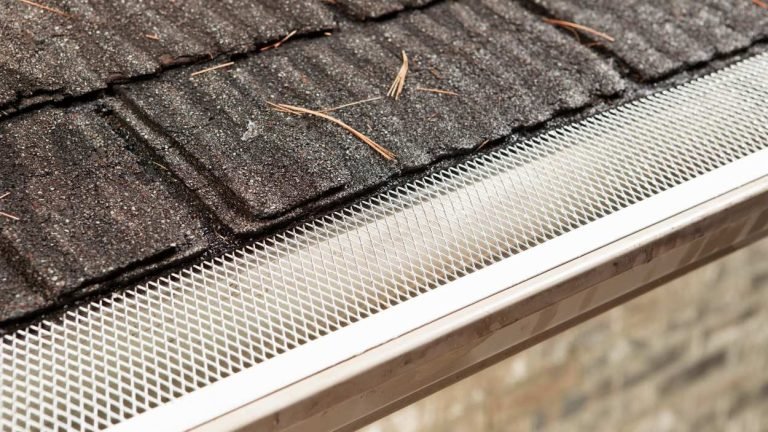
Common issues with gutter repairs include clogged gutters and downspouts, sagging or improper sloping, leaks and holes, rust and corrosion, and loose or detached gutters.
We often encounter problems like ice dams, overflowing gutters, and gutter guard malfunctions as well. These issues can lead to water damage, foundation problems, and soil erosion if not addressed promptly.
Regular maintenance, including cleaning and inspections, is essential to prevent these problems. It’s important to understand the causes and solutions for each issue to guarantee effective repairs and long-lasting gutter performance. Proper knowledge can save homeowners significant time and money in the long run.
Clogged Gutters and Downspouts
While clogged gutters and downspouts may seem like a minor issue, they’re one of the most common and problematic gutter repair issues we encounter. Debris accumulation, including leaves, twigs, and sediment, can lead to water overflow, causing damage to your home’s foundation, walls, and landscaping.
We’ve seen cases where neglected gutters have resulted in costly structural repairs. In Canberra, where weather conditions can be particularly harsh, durable gutter repairs are vital to protect your home from water damage.
To prevent these issues, we recommend implementing regular gutter maintenance tips. Seasonal cleaning is essential, especially in autumn when leaf fall is heaviest. We suggest cleaning your gutters at least twice a year, but more frequently if you have many trees near your property.
Installing gutter guards can notably reduce debris buildup, though they don’t eliminate the need for periodic maintenance.
When cleaning gutters, we advise using proper safety equipment, including sturdy ladders and gloves. Start near the downspout and work your way along the gutter, removing debris and flushing the system with water to guarantee proper flow.
If you notice persistent clogs or drainage issues, it may indicate a more serious problem requiring professional intervention.
Sagging or Improper Sloping
Sagging or improperly sloped gutters pose another significant challenge in gutter maintenance. These issues can lead to water pooling, which may cause overflow, leaks, and potential damage to your home’s foundation.
Canberra homeowners often face unique challenges due to the region’s climate, making regular gutter maintenance even more essential. To address this problem effectively, we recommend following these gutter maintenance tips:
- Conduct regular visual inspections to identify sagging sections or areas with incorrect slopes.
- Use a level to check the gutter’s pitch, guaranteeing a slight downward angle towards the downspouts.
- Tighten or replace loose gutter hangers and brackets to prevent further sagging.
- Consider installing additional support brackets in problematic areas.
Seasonal inspections are vital for catching and correcting slope issues early. We advise homeowners to examine their gutters at least twice a year, typically in spring and fall. If you notice standing water in your gutters after rainfall, it’s a clear sign of improper sloping that needs immediate attention.
For severe cases of sagging or incorrect slopes, we recommend consulting professional gutter repair services. At TMR Roof Repairs Canberra, our network of experienced contractors can assess your gutter system and implement the necessary repairs to guarantee proper water flow and protect your property from water damage.
Leaks and Holes
Identifying and addressing leaks and holes in your gutters is vital for maintaining an effective drainage system. These issues can lead to water damage, foundation problems, and compromised structural integrity if left unattended. We recommend regular gutter maintenance to catch and repair these problems early.
| Issue | Repair Technique |
|---|---|
| Small holes | Patching with roofing cement |
| Large holes | Metal patch and sealant |
| Seam leaks | Resealing with silicone caulk |
| Rust spots | Sanding and rust-proof paint |
| Cracks | Flexible gutter sealant |
When dealing with leaks and holes, it’s imperative to first clean the affected area thoroughly. For small holes, apply roofing cement directly to the damage. Larger holes may require a metal patch secured with roofing cement or specialized sealant. Seam leaks often occur at gutter joints and can be addressed by applying silicone caulk along the seams.
Rust spots should be sanded down and treated with rust-proof paint to prevent further deterioration. For cracks, we recommend using a flexible gutter sealant that can withstand temperature changes and movement.
Rust and Corrosion
Rust and corrosion are common enemies of metal gutters, often developing from persistent moisture exposure.
We’ve seen how these issues can compromise the structural integrity of your gutter system, leading to leaks and potential water damage to your property.
To combat rust and corrosion, it’s vital to implement regular gutter maintenance and rust prevention methods.
Advanced leak detection techniques, including thermal imaging and pressure testing, can help identify early signs of rust and corrosion before they become major problems.
Here are four essential steps to protect your gutters from rust and corrosion:
- Clean gutters regularly to remove debris and standing water
- Apply a rust-inhibiting primer and paint to metal surfaces
- Install gutter guards to minimize debris accumulation
- Seal any existing rust spots with a specialized rust converter
We recommend inspecting your gutters at least twice a year, paying close attention to areas prone to rust formation.
Early detection and treatment of rust can greatly extend the lifespan of your gutters.
For severe cases of rust and corrosion, it’s best to consult with professional gutter repair specialists who can assess the damage and recommend appropriate solutions, such as partial replacements or complete gutter system upgrades.
Loose or Detached Gutters
Loose or detached gutters can crop up due to various factors, including improper installation, severe weather events, or natural wear and tear over time. At TMR Roof Repairs Canberra, we’ve seen countless cases where neglected gutters lead to significant property damage. It’s essential to address these issues promptly to prevent water damage to your home’s foundation, walls, and landscaping.
Regular gutter maintenance tips include conducting seasonal inspections, especially after storms or heavy rainfall. Here’s a quick guide to common causes and solutions:
| Cause | Symptom | Solution |
|---|---|---|
| Loose fasteners | Sagging gutters | Tighten or replace screws |
| Damaged brackets | Gaps between gutter and fascia | Install new brackets |
| Ice dams | Pulled-away gutters | Improve attic insulation |
We recommend checking for signs of separation between the gutter and fascia board, as well as any visible gaps or misalignments. If you notice water spilling over the sides during rainfall, it’s likely your gutters have become detached or are improperly sloped.
Don’t hesitate to contact us for a professional assessment and repair to guarantee your gutter system functions effectively year-round.
Ice Dams
Ice dams form when heat escapes through the roof, melting snow that refreezes at the eaves.
These ice formations can cause significant damage to gutters by creating excessive weight and preventing proper drainage.
We recommend proper attic insulation, adequate ventilation, and professional gutter maintenance to prevent ice dams and protect your gutter system.
Formation and Causes
The formation of ice dams stems from complex thermal interactions on your roof. As heat escapes from your home, it warms the roof’s surface, causing snow to melt. This meltwater flows down to the colder eaves and gutters, where it refreezes.
Over time, this process creates a barrier of ice that prevents proper drainage, leading to water backup and potential damage to your roof and home’s interior.
To understand the causes of ice dams, consider these key factors:
- Poor attic insulation
- Inadequate ventilation
- Clogged or improperly installed gutters
- Fluctuating temperatures
We can’t stress enough the importance of regular gutter maintenance tips and seasonal inspections to prevent ice dam formation.
Proper insulation and ventilation in your attic space help maintain a consistent roof temperature, reducing the likelihood of ice dams.
Additionally, ensuring your gutters are clean and correctly positioned allows for proper water flow, even in freezing conditions.
Damage to Gutters
Damage from ice dams can wreak havoc on your home’s gutter system. As water freezes and expands along the edge of your roof, it can cause gutters to pull away from the fascia board, creating gaps and misalignment. This separation not only compromises the gutter’s ability to channel water effectively but also exposes your home’s structure to potential water damage.
Ice dams can also lead to the formation of icicles, which add considerable weight to your gutters. This excess load can cause sagging, bending, or even complete detachment of gutter sections. Additionally, the freeze-thaw cycle associated with ice dams can cause cracks in the gutter material, leading to leaks and reduced functionality.
To mitigate these issues, we recommend implementing regular gutter maintenance tips, including seasonal inspections. Before winter, verify your gutters are clear of debris and properly aligned.
During colder months, monitor ice buildup and consider using heat cables to prevent dam formation. After winter, inspect your gutters for any damage caused by ice and address issues promptly.
Prevention and Solutions
Having identified the potential damage ice dams can cause to your gutters, let’s focus on effective prevention and solutions.
We recommend implementing these gutter maintenance tips to mitigate ice dam formation:
- Verify proper attic insulation and ventilation to maintain consistent roof temperature.
- Install heat cables along the roof’s edge and in gutters to prevent ice buildup.
- Remove snow from your roof using a roof rake after heavy snowfall.
- Conduct regular seasonal cleaning to remove debris that can contribute to ice dam formation.
Overflowing Gutters
Overflowing gutters can lead to a host of problems for your home’s foundation and exterior. When gutters fail to channel water away from your property effectively, it can result in soil erosion, basement flooding, and damage to your home’s siding and landscaping.
To prevent these issues, we recommend implementing regular gutter maintenance tips and conducting seasonal inspections.
One of the primary causes of overflowing gutters is debris buildup, such as leaves, twigs, and granules from shingles. This accumulation can create blockages, preventing water from flowing freely through the gutter system.
We suggest cleaning your gutters at least twice a year, typically in spring and fall, to remove debris and guarantee proper water flow. Additionally, installing gutter guards can greatly reduce debris accumulation and minimize the frequency of cleanings.
Another common cause of overflowing gutters is improper slope or pitch. Gutters should have a slight downward angle towards the downspouts to facilitate water flow.
If your gutters are sagging or improperly installed, we can adjust their positioning to guarantee ideal drainage and prevent overflow issues.
Gutter Guard Malfunctions
We’ve observed that gutter guards can sometimes malfunction, leading to unexpected issues.
Clogging can still occur despite the presence of guards, often due to fine debris accumulating over time.
Improper installation is another common problem, resulting in gaps or misalignments that compromise the guard’s effectiveness and potentially cause water overflow.
Clogging Despite Guards
Why are your gutters still clogged despite having guards installed? This issue can be frustrating, but it’s not uncommon. Even with gutter guards in place, debris can still accumulate, leading to blockages and potential water damage.
At TMR Roof Repairs Canberra, we’ve identified several reasons for this persistent problem:
- Incorrect installation: Improperly fitted guards can create gaps where debris enters.
- Unsuitable guard type: Some designs are less effective for certain types of foliage.
- Extreme weather conditions: Heavy storms can overwhelm even well-designed guards.
- Fine debris accumulation: Smaller particles can pass through guards over time.
To address these issues, we recommend regular gutter maintenance tips, including seasonal cleaning. While guards can reduce the frequency of cleaning, they don’t eliminate the need.
We suggest inspecting your gutters at least twice a year, particularly after heavy storms or during fall when leaf accumulation is highest.
If you’re experiencing persistent clogging despite guards, it may be time to reassess your current system. Our team can evaluate your gutters and recommend more effective solutions tailored to your property’s specific needs.
Improper Installation Issues
Improper installation of gutter guards can lead to a host of issues, often mimicking the problems they’re meant to solve. When gutter guards aren’t fitted correctly, they can cause water overflow, debris accumulation, and even structural damage to your home. We’ve seen countless cases where poor installation techniques have compromised the effectiveness of gutter protection systems.
Here’s a breakdown of common improper installation issues and their consequences:
| Issue | Consequence |
|---|---|
| Incorrect sizing | Gaps and water spillage |
| Poor attachment | Guard detachment in storms |
| Improper slope | Water pooling and overflow |
| Misaligned seams | Debris infiltration |
| Incompatible materials | Corrosion and degradation |
These problems often stem from a lack of expertise in gutter materials and installation techniques. We can’t stress enough the importance of hiring professionals who understand the nuances of different gutter guard systems. Proper installation requires precise measurements, appropriate tools, and knowledge of how various gutter materials interact with guard systems.
When installed correctly, gutter guards can greatly reduce maintenance and protect your home from water damage. However, when corners are cut during installation, the results can be costly and frustrating for homeowners.
Frequently Asked Questions
How Often Should I Have My Gutters Professionally Inspected?
Did you know that clogged gutters can hold up to 1,000 pounds of water? We recommend professional gutter inspections twice yearly. For ideal gutter maintenance, we suggest spring and fall checks to guarantee proper function and prevent costly damage.
Can I Repair My Gutters Myself, or Should I Always Hire Professionals?
While we can offer DIY tips for minor gutter repairs, we recommend professional services for most issues. Proper repair tools and expertise are essential. For your safety and ideal results, it’s best to hire experienced contractors.
What’s the Average Lifespan of a Gutter System?
We typically see gutters lasting 20-30 years, depending on material and maintenance. With proper care, some systems can exceed this. We recommend regular cleaning and considering durable options like copper or seamless aluminium for longevity.
Are Seamless Gutters Worth the Investment Compared to Traditional Sectional Gutters?
Like a smooth river, seamless gutters flow effortlessly. We recommend them for their advantages: fewer leaks and less maintenance. Sectional gutters’ drawbacks include more seams and potential weak points. Seamless systems are indeed worth the investment for long-term performance.
How Do I Choose the Right Gutter Size for My Home?
We recommend considering your roof’s size and local rainfall intensity to determine proper drainage capacity. We’ll assess your home’s specifications and suggest appropriate gutter materials and sizes to guarantee ideal water management for your property.