
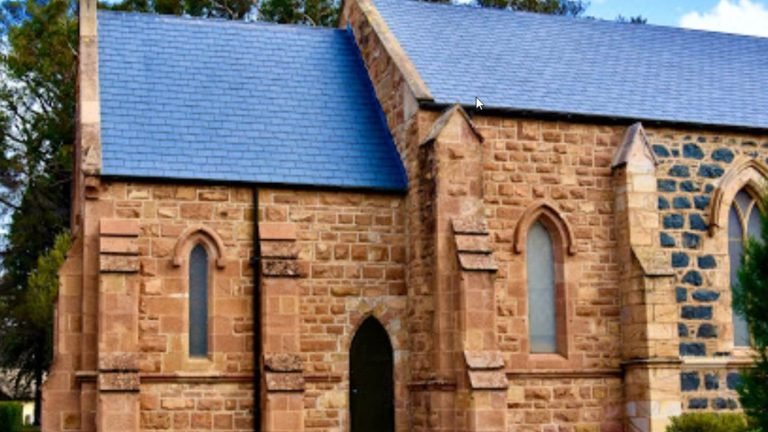
Restoring your roof requires an extensive process that starts with a thorough inspection to identify any damage, from cracked tiles to worn sealants. You'll need to properly prepare the surface, cleaning tiles and applying specialized coatings and sealants for enhanced protection. Restoring the ridge capping is essential to prevent leaks and maintain structural integrity. Throughout the restoration, you'll guarantee meticulous attention to detail, seamlessly integrating new components and finalizing the project to the highest standards. Completing this extensive process will transform your roof, providing superior long-term protection and aesthetic appeal – just the beginning of what you can achieve.
Inspect and Assess Roof Condition
Conducting a thorough inspection is the vital first step in the roof restoration process. During this phase, you'll closely examine your roof for any signs of damage, such as cracked or missing tiles, worn-out sealants, and the presence of mold or moss.
TMR Roof Repairs Canberra's over 20 years of experience in the industry guarantees a detailed assessment of your roof's condition.
This detailed inspection allows you to accurately assess the overall condition of your roof and develop a targeted restoration plan that addresses the identified problems.
This damage assessment is essential in guaranteeing the longevity and performance of your roof after the restoration work is complete.
Prepare the Roof Surface
Once the roof's condition has been thoroughly assessed, the next step in the restoration process is to prepare the surface.
Proper roof surface preparation is vital for achieving long-lasting and effective results. This involves selecting the appropriate materials based on the roof type and current condition.
Essential steps for a complete roof restoration can be found in the Essential Guide to Complete Roof Restoration in Canberra.
Depending on the specific needs, this may include cleaning the surface, applying sealants, or even removing and replacing damaged or worn-out roofing tiles or shingles.
Taking the time to meticulously prepare the surface guarantees that the restoration materials adhere properly and provide the necessary protection against the elements.
This attention to detail sets the stage for a successful roof restoration project.
Cleaning and Preparing Roof Tiles
Proper cleaning and preparation of your roof tiles is an essential first step in the restoration process. To guarantee a successful outcome, consider these tile maintenance tips:
1. Gentle Roof Cleaning: Use a soft-bristled brush and mild detergent to gently remove any accumulated dirt, moss, or debris from the surface of your tiles. Avoid pressure washing, as this can damage the tile material.
2. Moss and Lichen Removal: For stubborn moss or lichen growth, apply a specialized cleaning solution and let it sit for the recommended duration before rinsing. This will help prevent future growth and maintain the integrity of your roof tiles.
Canberra's top roof restoration tips suggest using a gentle approach to avoid damaging the tiles.
3. Surface Preparation: Once clean, inspect the tiles for any cracks, chips, or loose materials. Address these issues by repairing or replacing the affected tiles to create a smooth, even surface for the restoration process.
Applying Roof Coatings and Sealants
After ensuring your roof tiles are thoroughly cleaned and prepared, you can begin applying high-quality coatings and sealants to restore their appearance and protect against the elements.
Roof coatings offer numerous benefits, including enhanced water resistance, UV protection, and an attractive finish. When selecting a coating, consider options like acrylic, silicone, or elastomeric formulas, each with unique properties to suit your needs.
Complementing the coating, sealants like polyurethane or silicone-based products can effectively fill cracks and gaps, preventing further deterioration.
Restoring Ridge Capping and Pointing
As an essential part of the roof restoration process, properly addressing ridge capping and pointing can greatly enhance the structural integrity and aesthetic appeal of your property.
Ridge capping techniques play a critical role in sealing and protecting the vulnerable peak of your roof:
- Re-bedding the ridge capping with a high-quality mortar guarantees a secure and weatherproof seal.
- Applying specialized pointing materials, such as flexible sealants or silicone, can fill gaps and prevent leaks.
- Careful inspection and selective replacement of damaged or deteriorated ridge capping components further strengthens your roof's defenses against the elements.
Finalizing the Restoration Process
With the critical ridge capping and pointing work completed, the final stage of your roof restoration process involves finishing touches that breathe new life into your property's exterior.
A thorough final inspection guarantees every aspect of the project meets the highest standards, from the seamless integration of new tiles to the smooth application of protective coatings.
Incorporating your valuable feedback, our skilled team makes any necessary adjustments, leaving you with a roof that not only looks stunning but also provides superior protection for years to come.
As the restoration nears completion, you'll take pride in the transformation, confident that your investment has been wisely placed.
Frequently Asked Questions
How Long Does the Roof Restoration Process Typically Take?
The roof restoration process typically takes 1-2 weeks, depending on the extent of the work. The project duration can vary based on factors like the roof's size, accessibility, and any unexpected issues that arise during the restoration.
What Factors Affect the Cost of a Roof Restoration Project?
The cost of your roof restoration project depends on the roof material, the specific restoration techniques required, the size and complexity of your roof, and any unexpected repairs needed. Factors like location and labor costs also impact the overall price.
Can the Roof Be Used During the Restoration Process?
No, your roof can't be used during the restoration process. Safety precautions and temporary coverings will be necessary to protect both your property and the workers as they complete the repairs.
How Can I Ensure the Restored Roof Is Durable and Long-Lasting?
To guarantee your restored roof is durable and long-lasting, choose high-quality roofing materials and consider weather conditions. Proper installation and ongoing maintenance are also key to maximizing the lifespan of your new roof.
What Maintenance Is Required After the Roof Restoration Is Complete?
After your roof restoration, regular post-restoration inspections and ongoing maintenance are key to ensuring your roof remains durable and long-lasting. This includes cleaning gutters, checking for leaks, and addressing any issues promptly to extend the lifespan of your new roof.
Final Thoughts
With TMR Roof Repairs Canberra's thorough approach, you'll have a roof that's not just visually appealing, but also safeguarded against the elements for years to come. From meticulous inspections to cutting-edge gutter guard installations, their team guarantees your home's most essential feature is restored to its former glory, giving you the peace of mind you deserve as a homeowner.