
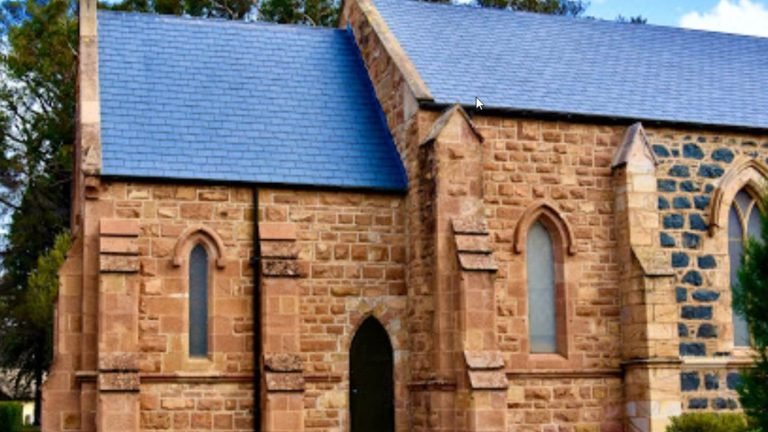
Consider a roof replacement when your roof is showing signs of age and wear, typically after 20-25 years. We recommend evaluating visible damage, such as missing shingles, curling, or water stains, which can indicate underlying issues.
Energy efficiency concerns, like rising utility bills and uneven indoor temperatures, may also signal the need for a new roof. Structural integrity problems, including sagging or light penetration, require immediate attention. It’s essential to weigh repair costs against replacement expenses, factoring in potential energy savings and increased property value.
By understanding these key indicators, you’ll be better equipped to make an informed decision about your roof’s future.
Age and Wear Factors
When it comes to roof replacement, age and wear are vital factors to evaluate. We typically see roofs lasting between 20 to 25 years, but this can vary considerably depending on the material. Asphalt shingles, for instance, have a material longevity of 20-30 years, while tiled roofs can endure up to a century with proper care.
Transform your home with a new roof, as it can enhance both the aesthetic appeal and the overall value of your property.
For roofs approaching or exceeding 15 years, we strongly recommend increasing the maintenance frequency. Regular inspections become essential at this stage to identify early signs of deterioration. We look for indicators such as missing shingles, excessive granule loss in gutters, or water stains on ceilings. These signs often correlate with a roof nearing the end of its functional life.
It’s important to note that environmental factors play a considerable role in roof ageing. Extreme weather exposure can accelerate wear, necessitating more frequent inspections and maintenance.
Additionally, if we encounter multiple layers of shingles on a roof over 20 years old, it’s often a clear signal that replacement should be considered to guarantee adequate protection against leaks and structural damage.
Visible Damage Assessment
Every roof inspection should prioritize visible damage assessment as a critical step in determining the need for replacement. We focus on key indicators that signal potential issues requiring immediate attention. One of the most obvious signs we look for is the condition of shingles. Missing, broken, or greatly damaged shingles often indicate underlying deterioration and can lead to leaks if left unaddressed.
It’s important to evaluate whether a roof restoration or replacement is more appropriate based on the extent of visible damage. We’re particularly vigilant about curling, buckling, or excessive granule loss from shingles, as these symptoms suggest the roof is nearing the end of its lifespan.
Our leak detection process involves checking for water stains on ceilings and walls, which are clear indicators of ongoing leaks that may escalate into considerable damage if not promptly addressed.
We also assess the overall structure of the roof. Any sagging or uneven areas not only pose aesthetic concerns but also point to potential structural damage that necessitates immediate attention.
To guarantee thorough care for your roof, we recommend scheduling inspections twice a year.
Energy Efficiency Concerns
Energy efficiency stands at the forefront of modern roofing evaluations. As roofs age, particularly those over 20 years old, their ability to regulate indoor temperatures diminishes, leading to increased energy consumption and higher utility bills.
We often find that homeowners are unaware of the considerable impact their roof’s condition has on their home’s overall energy performance. Choosing materials like COLORBOND roofing can enhance your home’s energy efficiency due to their excellent thermal performance and reflective qualities, which can greatly lower cooling costs in hot climates the benefits of COLORBOND roofing.
To help you identify potential energy efficiency issues with your roof, reflect on these key indicators:
- Unexplained increases in heating or cooling costs
- Uneven temperatures throughout your home
- Visible signs of wear or damage to roofing materials
If you’re experiencing these issues, it may be time to evaluate a roof replacement. Modern roofing solutions, such as COLORBOND metal roofing, offer superior insulation and heat reflection properties, potentially reducing your cooling costs.
Additionally, upgrading your roof presents an opportunity for insulation improvement and ventilation upgrades, further enhancing your home’s energy efficiency.
We recommend scheduling regular roof inspections to identify and address energy-related issues promptly.
Structural Integrity Issues
Numerous structural integrity issues can signal the need for a roof replacement. We often encounter sagging roofs, which indicate potential structural failure and require immediate professional assessment. This issue can compromise the roof’s ability to support its load and may lead to catastrophic collapse if left unaddressed.
Scheduling regular roof inspections can help identify these problems early and prevent further damage. Light beams penetrating through the roof are another serious concern. These gaps or holes not only compromise the structure’s integrity but also allow moisture intrusion, potentially causing extensive damage to your home’s interior.
We also look for loose roof tiles and falling mortar, signs of structural deterioration that suggest the roof may be nearing the end of its lifespan. Ridge formation on the roof is a critical issue we assess. These ridges can indicate shifting underlayers, leading to instability and necessitating urgent repairs.
To prevent these problems from escalating into significant hazards, we strongly advise regular inspections. By catching early signs of structural issues, we can help homeowners avoid costly repairs and guarantee their roof continues to provide adequate protection against the elements and maintain its structural integrity.
Cost-Benefit Analysis
When faced with the decision to replace a roof, homeowners must carefully weigh the costs against the benefits. A detailed cost-benefit analysis is essential to determine if a roof replacement is a wise investment.
We recommend reflecting on the following factors:
- Current repair costs vs. replacement expenses
- Potential energy savings from improved insulation
- Impact on property value and marketability
While the initial outlay for a new roof can range from $5,000 to $20,000, it’s essential to reflect on the long-term savings. A new roof can reduce energy bills by up to 20%, providing significant cost reductions over time.
Additionally, homeowners can expect to recoup 70-80% of the replacement costs when selling their property, making it a sound investment return.
We advise comparing the annual maintenance costs. If you’re facing frequent, costly repairs, a complete replacement may be more cost-effective.
Frequently Asked Questions
When Should I Worry About My Roof?
We recommend regular roof maintenance to catch issues early. Be vigilant for signs of leaks, such as water stains or missing shingles. We advise inspecting your roof annually and after severe weather events for potential damage.
How Do I Know if My Roof Is OK?
We recommend regular roof inspections to guarantee your roof is okay. We can help you identify potential issues through visual checks, looking for leaks, damaged shingles, and structural problems. Our maintenance tips will keep your roof in top condition.
How Much Does a New Roof Cost in Australia?
We estimate new roofs in Australia typically cost between $5,000 and $20,000. This range accounts for varying roofing materials and installation costs. Factors like home size, material quality, and labour rates greatly influence the final price.
How Long Does a Roof Last Before Replacing?
We typically see roofs lasting 20-100 years, depending on material and maintenance. Factors like climate and installation quality affect roof lifespan. We recommend watching for signs like water damage, mould, or extensive shingle wear to determine if replacement is needed.
Final Thoughts
We’ve outlined key factors to take into account when deciding on a roof replacement. From age and visible damage to energy efficiency and structural integrity, these indicators shouldn’t be ignored. Remember, timely replacement can prevent costly repairs and protect your home’s value.
While the decision isn’t always straightforward, weighing the cost-benefit analysis is essential. If you’re unsure, don’t hesitate to consult with roofing professionals. We’re here to help you make an informed choice for your home’s future.