
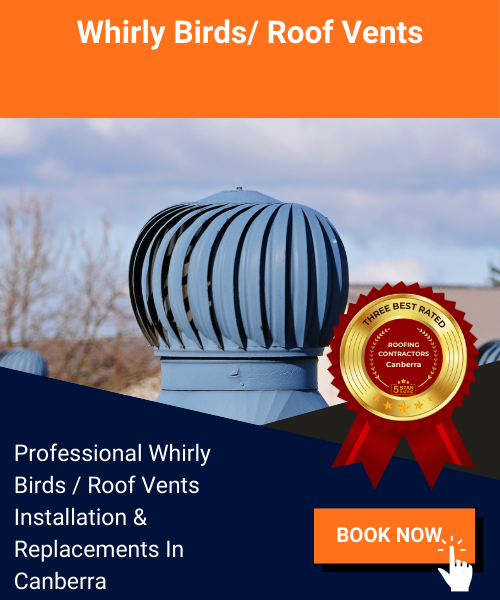
Whirlybirds reduce roof heat through passive ventilation, leveraging natural wind currents to extract hot air from attic spaces. We’ve found that these rotating vents create a low-pressure area, inducing upward airflow and facilitating the removal of heated air. By enhancing air circulation, whirly birds can decrease roof temperatures by up to 30°C, considerably reducing the load on air conditioning systems.
They operate without electricity, making them an energy-efficient solution for maintaining cooler indoor temperatures. Proper installation and regular maintenance are essential for peak performance. Understanding the mechanics and benefits of whirly birds can lead to more effective heat management strategies for your home.
Understanding Whirly Birds
Whirlybirds, also known as turbine vents or roof ventilators, are passive ventilation devices designed to improve air circulation in roof spaces. These rotating structures are typically installed on the roof’s surface and operate without electricity, relying on wind power and natural convection to function effectively.
In Canberra, where temperatures can soar during summer months, whirly birds offer advantages for homeowners looking to maintain a comfortable indoor environment.
The primary purpose of whirly birds is to extract hot air and moisture from the roof cavity, promoting better airflow and reducing heat buildup. As warm air rises, it creates pressure within the roof space, which the whirly bird’s spinning action helps to release. This continuous air movement is one of the key whirly bird benefits, as it helps maintain a more stable temperature in both the roof cavity and the living areas below.
Proper roof ventilation is essential for maintaining the structural integrity of a building and enhancing energy efficiency. By facilitating the removal of hot air, whirly birds can help reduce the load on air conditioning systems, potentially leading to lower energy costs.
Additionally, effective ventilation can mitigate issues such as condensation, mould growth, and premature deterioration of roofing materials, thereby extending the lifespan of the roof structure.
Heat Accumulation in Roofs
While whirly birds offer effective ventilation solutions, it’s important to understand the underlying issue they address: heat accumulation in roofs. This phenomenon occurs when solar radiation penetrates the roof surface, causing a considerable increase in temperature within the attic or roof space.
Without proper ventilation, this heat becomes trapped, leading to a range of problems for both the structure and its occupants.
Whirlybirds in Canberra have proven to be particularly effective in combating this issue, providing numerous benefits to homeowners in the region.
The accumulation of heat in roofs can be exacerbated by several factors. Poor roof insulation allows heat to transfer more easily into the living spaces below, increasing energy costs and reducing comfort. Additionally, dark-coloured roofing materials absorb more heat than lighter ones, further contributing to the problem.
Heat reflection plays an essential role in mitigating this issue, as materials with high reflectivity can redirect a portion of the sun’s rays away from the roof surface.
We’ve observed that excessive heat buildup can cause structural damage to roofing materials, reduce the efficiency of HVAC systems, and create uncomfortable living conditions.
Ventilation Mechanics of Whirly Birds
In light of the heat accumulation issues discussed previously, we’ll now examine the ventilation mechanics of whirly birds. These devices operate on a simple yet effective principle that harnesses natural air currents and wind energy to create a continuous upward airflow.
Canberra roofs particularly benefit from whirly birds due to the region’s climate, which can lead to significant heat buildup in attic spaces.
The whirly bird’s design features a series of curved vanes that rotate around a vertical axis. As the wind blows across these vanes, it creates a low-pressure area above the device. This pressure differential induces an upward suction effect, drawing hot air from the roof space through the whirlybird and expelling it into the atmosphere.
The airflow dynamics of whirly birds are further enhanced by the Bernoulli effect. As air moves faster over the curved surfaces of the vanes, it creates an additional lifting force, increasing the device’s efficiency.
Even in low wind conditions, the slightest breeze can initiate rotation, maintaining a constant air exchange.
Whirlybird mechanics also benefit from the stack effect, where temperature differences between the roof space and outside air create natural convection currents. This phenomenon complements the wind-driven ventilation, ensuring consistent performance throughout various weather conditions.
Energy Efficiency Benefits
From within the domain of energy conservation, whirly birds offer considerable benefits for homeowners looking to reduce their cooling costs and carbon footprint. By facilitating the removal of hot air from the roof space, these devices contribute to a more energy-efficient home environment.
We’ve observed that properly installed whirly birds can lead to substantial cost savings and a reduced environmental impact. Roof repair experts in Canberra recommend whirly birds as an effective solution for improving home energy efficiency.
The energy efficiency benefits of whirly birds include:
- Decreased reliance on air conditioning systems
- Lower electricity consumption for cooling purposes
- Improved thermal comfort without additional energy input
- Extended lifespan of roofing materials due to reduced heat stress
We’ve found that the passive ventilation provided by whirly birds can markedly reduce the temperature in your roof space, sometimes by up to 30°C. This reduction in heat load translates directly to lower cooling demands for your home’s interior.
As a result, you’ll likely see a noticeable decrease in your energy bills during hot weather periods. Additionally, by minimizing the use of energy-intensive cooling systems, you’re actively contributing to a reduction in greenhouse gas emissions, aligning your home with more sustainable practices.
Installation Process and Considerations
Having explored the energy efficiency benefits, we’ll now examine the installation process and key factors for whirly birds. The installation of these ventilation systems requires careful planning and execution to guarantee ideal performance.
We recommend starting with a thorough roof inspection to determine the best placement for the whirly birds, typically near the roof’s ridge.
When installing, it’s essential to follow manufacturer guidelines and local building codes. Common mistakes include improper sealing, which can lead to leaks and incorrect spacing between units. We advise maintaining a distance of about 6-10 meters between each whirly bird for maximum efficiency.
Some key installation tips include:
- Use appropriate flashing to prevent water infiltration
- Verify the spinner is level and can rotate freely
- Cut the hole in the roof to the exact size specified by the manufacturer
It’s also important to take into account the roof’s pitch and material when selecting the right type of whirlybird. For steep roofs or those with tiles, specialized models may be required.
We always recommend professional installation to avoid potential damage to your roof and guarantee the system functions as intended.
Maintenance and Long-Term Performance
While whirly birds are generally low-maintenance devices, regular upkeep is crucial for guaranteeing their long-term performance and effectiveness. We recommend conducting annual inspections to evaluate the condition of your whirly birds and address any potential issues promptly.
During these inspections, we focus on several key areas to maintain ideal functionality:
- Checking for debris accumulation and removing any obstructions
- Inspecting the bearings for signs of wear or damage
- Examining the flashing and seals for potential leaks
- Evaluating the overall structural integrity of the unit
Proper whirly bird maintenance contributes notably to their long-term performance. By keeping the vents clean and free from blockages, we guarantee consistent airflow and heat extraction from your roof space.
Regular lubrication of moving parts, such as bearings, extends the lifespan of the mechanism and maintains smooth operation.
In cases where whirly birds show signs of deterioration or reduced efficiency, we may recommend replacement to maintain ideal performance. Upgrading to newer, more efficient models can further enhance your roof’s ventilation capabilities.
Frequently Asked Questions
Do Whirly Birds Make Noise During Windy Conditions?
We can confirm that whirly birds may produce noise during windy conditions. The wind impact on these ventilation devices can result in whirlybird noise, which typically manifests as a low humming or spinning sound.
Can Whirly Birds Be Installed on All Types of Roofing Materials?
We’re here to clarify: Whirlybirds can’t be universally installed. While they’re compatible with most roofing materials, installation considerations vary. We assess each roof’s structure, material, and pitch to guarantee ideal roofing compatibility and performance.
How Many Whirly Birds Are Typically Needed for an Average-Sized Home?
We typically recommend 1-2 whirly birds per 50-70 square meters of roof space. However, factors like roof pitch and local climate influence ideal installation. For maximum efficiency benefits, we’ll assess your specific home to determine the optimal number and placement.
Are There Any Alternatives to Whirly Birds for Roof Ventilation?
Studies show passive ventilation can reduce attic temperatures by up to 30°F. We recommend several alternatives to whirly birds, including static vents, ridge vents, and soffit vents. For active solutions, we suggest electric roof fans or solar-powered ventilation systems.
Do Whirly Birds Affect Home Insurance Premiums or Coverage?
We can’t definitively state that whirly birds affect insurance premiums or coverage. However, they may potentially lead to insurance savings by reducing moisture-related damage. It’s essential to check with your insurer regarding any impact on coverage limits.