
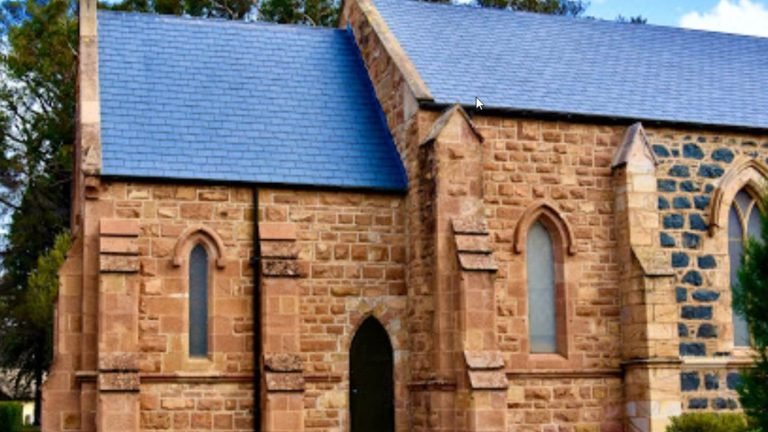
Re-bedding and pointing are essential for maintaining our roofs’ integrity and longevity. By removing old cement mortar and applying fresh materials, we prevent moisture infiltration and leaks. This process secures ridge caps and tiles, reducing the risk of shifting and related structural issues.
Regular maintenance not only extends the roof’s lifespan but also saves us from costly repairs down the line.
Furthermore, it acts as a significant barrier against water damage and health hazards like mould. Understanding the signs of wear guarantees our roof stays in top condition, setting the stage for deeper insights into effective roof care.
Importance of Re-Bedding
When it comes to maintaining the longevity of our roofs, re-bedding plays a key role that shouldn’t be overlooked. This process involves removing and replacing old cement mortar to secure ridge caps and roof tiles, effectively preventing moisture infiltration and leaks.
Proper re-bedding techniques not only help avoid the shifting of ridge caps, starters, and gable tiles, but they also enhance the overall durability of the roof structure, as highlighted in important tips for roof longevity. If we employ these techniques, we can prevent openings for water to enter the roof structure.
Timely re-bedding is essential as it can greatly extend our roof’s lifespan, preventing extensive and costly repairs due to water damage and structural issues. Aged or cracked bedding can lead to loose tiles, increasing the risk of accidents from falling debris.
By utilizing high-quality re-bedding materials, we guarantee that our roofs remain robust and secure. Regularly scheduled re-bedding, ideally every ten years, is fundamental for keeping our roofs well-sealed against environmental factors.
This proactive approach also reduces the risk of mould growth and wood rot. To conclude, prioritizing re-bedding isn’t just about maintenance; it’s about safeguarding our properties and maintaining the structural integrity of our roofs for years to come.
Understanding Roof Pointing
Understanding roof pointing is fundamental for maintaining the integrity of our roofing systems, as it involves applying mortar or flexible pointing compounds to the joints between roof tiles. This process secures the tiles and acts as an essential moisture barrier, preventing water infiltration that can lead to significant damage.
Over time, weathering can create voids in the mortar, allowing moisture to penetrate and compromise the roof’s structure. Regular roof maintenance, including pointing, is imperative for preventing extensive damage and guaranteeing longevity, as highlighted in discussions on roof restoration vs. replacement.
Since the introduction of flexible pointing compounds in 1995, we’ve seen an improvement in durability. These materials accommodate slight movements within the roof structure without cracking, enhancing the lifespan of our roofing systems. Regular inspection and maintenance of roof pointing are necessary, typically recommended every ten years, to confirm effectiveness against moisture-related issues.
Signs that roof pointing requires attention include visible cracks or gaps in the mortar, loose roof tile materials, and the presence of mould or water stains inside the building.
Benefits of Regular Maintenance
Regular maintenance of roof rebedding and pointing is essential for preserving the longevity and functionality of our roofing systems. By implementing preventive measures and adhering to maintenance schedules, we can effectively safeguard our roofs against potential issues that could lead to costly repairs.
In Canberra’s climate, where seasonal changes can impact roofing materials, a proactive approach is even more critical to prevent deterioration and enhance durability, as noted in essential tips for roof re-bedding.
Here are some key benefits of regular maintenance:
- Extended Roof Lifespan: This prevents minor issues from escalating into major problems, saving us significant repair costs.
- Moisture Protection: Regular reporting is recommended every ten years, this ensures a waterproof seal, inhibiting moisture intrusion.
- Health Safety: Timely maintenance helps prevent the growth of mould and wood rot, contributing to a healthier living environment.
- Early Damage Detection: Inspections can reveal loose tiles or cracks early, allowing for swift repairs and minimizing the risk of leaks.
- Enhanced Safety: Consistent maintenance reduces the risk of loose tiles falling and maintains the structural integrity of the roof.
Signs Your Roof Needs Attention
Roof maintenance is crucial for ensuring the longevity and safety of our homes, and recognizing the signs that our roof needs attention is the first step in addressing potential issues.
Essential roof repair advice highlights the importance of regular inspections to catch problems early. During a roof inspection, we should be vigilant for water leaks, which often indicate cracks in the pointing that allow moisture to penetrate the roof structure. This requires immediate attention to prevent further damage.
Additionally, if we notice loose or shifting tiles, it’s a sign of weakened bedding that necessitates rebedding to secure the tiles effectively.
Visible cracks in roof tiles should also prompt an evaluation, as these can lead to leaks and structural problems.
Mould presence on the roof or in the attic is another clear indicator of moisture issues that must be addressed to avoid health hazards.
Finally, missing mortar or gaps in the pointing joints can greatly increase the risk of severe water intrusion, making timely repairs essential for maintaining roof integrity.
Regular moisture assessments can help us catch these problems early, ensuring our roofs remain in top condition.
Common Mistakes in Re-Bedding
When it comes to re-bedding, we often overlook vital details that can lead to significant problems down the line. A few common mistakes can compromise the integrity of our roofs and result in costly repairs later. Here are some key pitfalls to avoid:
- Using an incorrect mortar mixture can weaken the bond between tiles.
- Failing to remove excess mortar, creates protrusions that trap water.
- Neglecting to confirm proper tile alignment during the rebedding process.
- Choosing sub-standard tiles that may fail prematurely.
- Ignoring weather conditions can affect mortar curing.
Each of these errors can increase the risk of tiles shifting or becoming loose, ultimately leading to leaks and structural issues.
Proper tile alignment is essential for the roof’s effectiveness in shedding water. Additionally, we must carefully select a suitable mortar mixture and guarantee we’re working under ideal weather conditions.
By avoiding these mistakes, we can enhance the roof’s durability and longevity, safeguarding our properties against potential damage.
Choosing the Right Professionals
Selecting the right professionals for re-bedding and pointing is essential to guaranteeing the long-term integrity of our roofs. We should prioritize contractors with at least 10 years of industry experience, as their expertise in handling various roof types and issues can greatly impact the quality of our repairs.
It’s critical to verify contractor qualifications by reviewing their strong portfolio; this provides insight into their previous work and reliability.
Moreover, we need to seek out professionals who offer service warranties or guarantees on their workmanship. These warranties not only provide peace of mind but also indicate the contractor’s confidence in their skills.
Long-Term Cost Savings
Maintaining the structural integrity of our roofs through regular re-bedding and pointing not only enhances longevity but also leads to significant long-term cost savings.
By implementing these preventive measures, we can mitigate the financial impact of unexpected repairs and extend the lifespan of our roofs.
Consider the following benefits:
- Prevents leaks and structural damage, saving us thousands in emergency repairs.
- Reduces the frequency of costly roof restorations; addressing minor issues early can save up to 50% on future repair costs.
- Minimizes the risk of wood rot and mould growth, avoiding significant health-related expenses.
- Guarantees that flexible pointing compounds can last up to ten years, making maintenance a financially sound choice.
- Protects against water intrusion, where repair costs can range from $2,000 to $10,000 or more.
Frequently Asked Questions
What Is the Purpose of Roof Pointing?
Roof pointing’s primary purpose is to enhance roof maintenance by providing weather protection. It seals joints, preventing water infiltration and reinforcing structural integrity, ensuring our roofs remain secure and resilient against harsh environmental conditions.
What Is the Difference Between Pointing and Bedding?
When we talk about roof maintenance, pointing focuses on sealing methods for ridge caps, while bedding provides a stable base for tiles. Both are essential for preventing leaks and ensuring a durable, secure roofing system.
How Much Does It Cost to Repoint a Roof in Australia?
When considering roof maintenance costs, repointing techniques typically range from AUD 25 to AUD 45 per square meter. For an average home, total expenses can vary between AUD 1,000 and AUD 3,000, depending on specific needs.
How Often Should Tile Roofs Be Repointed?
We should repoint tile roofs every ten years for ideal tile maintenance and roof longevity. Regular inspections help identify wear, ensuring timely action that prevents more significant issues and costly repairs down the line.
Final Thoughts
In summary, prioritizing re-bedding and pointing is essential for maintaining the integrity of our roofs. By renewing the bedding mortar and ensuring the joints are properly protected, we can effectively prevent leaks and structural damage.
Regular maintenance not only extends the lifespan of our roofs but also saves us from costly repairs down the line.