
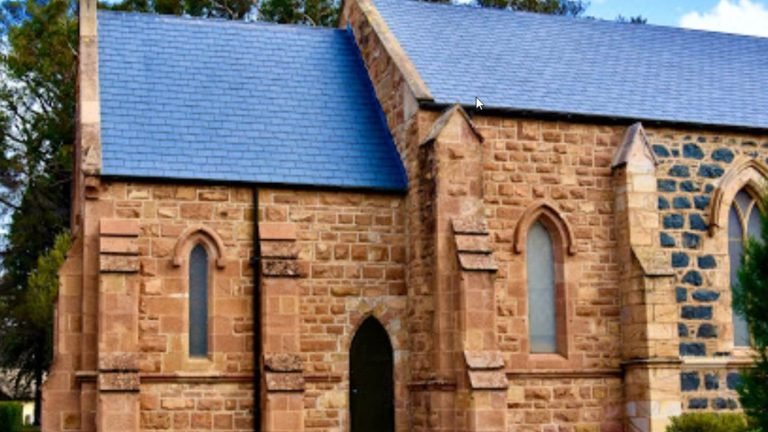
Re-bedding and pointing are essential for maintaining our roofs’ longevity and structural integrity. Re-bedding replaces cracked bedding mortar under ridge capping, preventing displacement and moisture issues. Pointing seals mortar joints to block water penetration, enhancing weatherproofing.
We should conduct regular inspections every 10-15 years to identify signs like cracked mortar or loose tiles, ensuring timely maintenance to avert costly repairs. Using quality materials in both processes not only boosts roof durability but also elevates aesthetic appeal.
For a deeper understanding of how these techniques contribute to roof care, we can explore more details that enhance our residential investments.
Importance of Re-bedding
When it comes to roof maintenance, re-bedding is a critical process that guarantees the long-term integrity of our homes. This technique involves replacing the bedding mortar under ridge capping, which can deteriorate due to continuous exposure to UV rays and precipitation.
As highlighted in various sources, the importance of roof maintenance can’t be overstated, as it plays a crucial role in preserving our home’s structure. We must prioritize re-bedding to prevent leaks and other structural issues, ensuring our roofs withstand weather elements effectively.
Utilizing proper re-bedding techniques is essential for achieving peak results. High-quality mortar is crucial; it needs to withstand environmental stressors while providing a strong bond that secures the ridge caps.
Regular assessments every 10-15 years can help us determine when re-bedding is necessary, as neglecting this process can lead to significant roof problems and costly repairs.
Understanding Pointing Techniques
As we explore pointing techniques, it’s essential to understand their purpose in preventing water penetration and preserving the structural integrity of our roofs.
Properly executed pointing enhances the effectiveness of roof weatherproofing, guaranteeing a watertight seal that can withstand extreme weather conditions.
We’ll also examine the various materials used, such as lime and cement mortar, and discuss the benefits of proper pointing, including enhanced aesthetics and property value.
Purpose of Pointing Techniques
Pointing techniques serve a critical role in safeguarding the integrity of a roof by applying mortar to the joints between roof tiles. This practice is essential for sealing gaps, which helps prevent water infiltration that can lead to considerable damage over time. By properly executing these techniques, we reduce the risk of water damage and mould growth, ensuring the roof remains structurally sound.
Regular repointing is recommended every 10-15 years, depending on environmental factors and the roof’s overall condition. The quality of the mortar used is paramount; we often prefer a pre-mixed acrylic-cementitious compound for its durability and waterproofing properties.
Effective pointing not only fortifies the roof but also enhances its aesthetics. A well-pointed roof presents a polished appearance that can greatly elevate the overall look of a property.
Incorporating these techniques into our maintenance routine contributes to the roof’s longevity by preventing moisture accumulation and deterioration. As we prioritize both functionality and visual appeal, understanding the purpose of pointing techniques becomes integral to maintaining a high-quality roof.
Materials Used in Pointing
A variety of materials are utilized in pointing to ascertain durability and weather resistance for roofing applications. Among these, cement-based mixtures and acrylic-cementitious compounds are common choices due to their strength and longevity.
For older homes, lime mortar is preferred, as its flexibility and breathability accommodate structural movements without cracking. Modern constructions generally implement a stronger cement mix to withstand harsh weather.
The ideal mortar consistency for pointing typically involves a mix of 3-4 parts sand to 1 part cement. This ratio guarantees proper adhesion and enhances the longevity of the pointing.
We must also pay attention to application techniques, as correctly applied to point not only seals the joints between tiles or bricks but also adds to the roof’s aesthetic appeal, presenting a neat finish.
Regular inspections of pointing materials are essential, as weather conditions can lead to degradation. We recommend conducting these assessments every 10-15 years to maintain the roof’s integrity.
Benefits of Proper Pointing
Maintaining a robust roof involves more than just choosing the right materials; effective pointing plays a significant role in safeguarding our property. Proper pointing involves using a mortar mix to fill the joints of roof tiles, creating a watertight seal that prevents water ingress, ultimately protecting the underlying structure from damage.
To illustrate the benefits of proper pointing, we can summarize them as follows:
| Benefit | Description | Importance |
|---|---|---|
| Structural Protection | Prevents water damage and internal structural issues | Enhances longevity |
| Aesthetic Enhancement | Provides a clean, finished appearance to the roof | Increases property value |
| Longevity | Using advanced materials like acrylic-cementitious compounds | Reduces maintenance frequency |
| Mould Prevention | Mitigates risks of mould growth due to water ingress | Promotes a healthy environment |
| Cost Efficiency | Regular maintenance can save costly repairs in the future | Protects our investment |
Repointing should be conducted every 10 to 15 years or sooner if deterioration is observed. By prioritizing effective pointing, we guarantee both structural protection and aesthetic enhancement for our roofs, contributing to the overall value and integrity of our homes.
Signs Your Roof Needs Attention
Recognizing the signs that your roof needs attention is essential for preventing extensive damage and costly repairs down the line. By staying vigilant and conducting regular roof inspections, we can catch potential issues early.
In Canberra, where weather conditions can be unpredictable, being aware of essential roof repair advice is vital. Here are three key damage signs to watch for:
- Cracks in Mortar Joints: These can indicate that your roof may need immediate attention as they can lead to water ingress if not addressed promptly.
- Loose or Missing Tiles: This not only compromises the roof’s structural integrity but also increases the risk of leaks, necessitating urgent repair.
- Water Stains on Ceilings or Walls: These stains often suggest underlying roof issues, indicating possible leaks from damaged pointing or bedding.
Additionally, excess moisture in the attic or on ceilings may signal poor roof condition, requiring a professional inspection to identify potential problems.
Benefits of Regular Maintenance
Regular maintenance is vital for preventing water damage and ensuring the longevity of our roofs.
By committing to routine inspections and timely repairs, we can extend the lifespan of our roofing systems considerably.
Additionally, essential roof maintenance tips can help identify potential issues before they escalate.
This proactive approach not only protects our homes but also saves us from costly emergency repairs in the long run.
Prevents Water Damage
To safeguard our homes from the damaging effects of water, it’s crucial to prioritize roof maintenance, particularly through processes like bedding and pointing.
These techniques are essential in preserving our roof integrity and preventing water ingress, which can lead to severe internal damage over time.
Here are three key benefits of regular rebedding and pointing:
- Prevents Water Penetration: By sealing mortar joints effectively, we greatly reduce the likelihood of water entering our roof structure, thereby protecting our interiors from potential water damage.
- Mitigates Mold Growth: Proper maintenance guarantees that water doesn’t accumulate, which is critical in preventing mould growth, an issue that can affect both our health and property value.
- Avoids Costly Repairs: Regularly maintaining our roofs helps us avoid the expensive repairs that often arise from unchecked water damage, ultimately saving us both time and money.
Extends Roof Lifespan
Maintaining our roof through consistent rebedding and pointing markedly enhances its lifespan, guaranteeing that we protect our investment over the long term.
Regular roof maintenance, recommended every 10-15 years, is essential to considerably extend the roof’s life and prevent costly repairs. By conducting thorough roof inspections, we can identify issues like loose or cracked mortar early on, allowing us to address deterioration before it leads to severe weather damage.
Proper rebedding of ridge capping enhances structural stability and prevents water ingress, which can cause mould and wood rot.
Repointing strengthens the bond between roof tiles and provides a waterproof seal that protects against moisture-related issues, ultimately enhancing the overall durability of our roofing system.
Integrating these services into our maintenance schedule not only preserves the aesthetic appeal of our roof but also guarantees high-quality workmanship.
Investing in professional rebedding and repointing services ensures that our roof remains functional and reliable for years to come.
The Re-bedding Process
While we often overlook the importance of roof maintenance, the re-bedding process plays an essential role in guaranteeing the longevity and integrity of our roofs. This process involves several vital steps that require careful attention to detail. According to the ultimate guide to roof re-bedding, understanding the nuances of this procedure can greatly enhance its effectiveness.
- Tile Preparation: We start by removing old, cracked cement mortar from the ridge tiles. This provides a clean surface for the new mortar to adhere effectively.
- Mortar Application: A fresh mixture of sand and cement is then applied, with the correct ratio being fundamental for durability. This secures the ridge tiles back in place, preventing any future displacement.
- Weep Holes Creation: To enhance drainage and reduce moisture accumulation beneath the tiles, we create weep holes during the process.
The Pointing Procedure
Following the re-bedding process, the pointing procedure is equally important in ensuring the longevity and performance of our roofs. This process involves applying a pre-mixed acrylic-cementitious compound to seal the mortar joints between roof tiles, which prevents water penetration and enhances structural integrity.
To achieve ideal results, we must prioritize proper surface preparation. Cleaning the area and ensuring it’s free from debris is crucial for effective adhesion of the new pointing material. Additionally, we should be aware of pointing challenges that can arise from incorrect application techniques. Poor sealing can lead to increased water ingress, necessitating earlier maintenance.
During the pointing process, it’s essential to re-poke or drill weep holes to allow for proper drainage, minimizing moisture accumulation that could cause damage.
We need to stay proactive with regular inspections and maintenance, ideally every 10 to 15 years, to assess the condition of the pointing and promptly address any signs of deterioration.
With pointing innovations available today, we can further enhance the durability and performance of our roofs, ensuring they remain secure and resilient against the elements for years to come.
Choosing Professional Services
When we’re choosing a roofing professional for re-bedding and pointing, it’s essential to prioritize contractors with extensive experience and a proven track record.
We should conduct thorough contractor interviews to assess their qualifications and expertise. Here are three key factors to take into account:
- Roofing Certifications: Confirm the contractor holds relevant certifications that demonstrate their knowledge and adherence to industry standards. This is critical for quality assurance.
- Workmanship Guarantees: Look for roofers who offer warranties on their work. This not only provides peace of mind but also reflects their confidence in the quality of repairs.
- Reputation and Reviews: Research client testimonials and online reviews to gauge the contractor’s reliability. A good reputation in the market often indicates consistent performance and satisfied customers.
Additionally, we must remember the importance of budget planning.
Obtaining detailed quotes from multiple professionals will help us compare costs and services effectively.
Finally, selecting a contractor known for timely project completion can minimize disruption to our homes, guaranteeing a smooth re-bedding and pointing process.
Long-term Roof Care Tips
Maintaining the longevity of our roofs requires proactive care and attention to detail. One of the most effective strategies we can adopt is scheduling regular roof inspections every 10-15 years. During these inspections, we should look for signs of wear, such as cracks in mortar or loose tiles. Addressing these issues early can prevent costly repairs down the line.
Timely rebedding and repointing of ridge caps are also vital. By guaranteeing these processes are completed as needed, we can prevent water penetration and maintain the structural integrity of our roofs. It’s essential to use high-quality materials, like durable mortar mixtures, to enhance longevity and mitigate moisture-related issues, such as mould and wood rot.
Additionally, we must keep our gutters and drainage systems clear of debris. This simple maintenance task prevents water accumulation, which can lead to the deterioration of roofing materials and necessitate more frequent rebedding and repointing.
Frequently Asked Questions
How Often Do You Need to Repoint a Roof?
We should repoint a roof every 10 to 15 years, depending on its condition. Implementing effective repointing techniques during regular roof maintenance can enhance durability and prevent costly repairs from unnoticed damage.
Is Roof Repointing Worth It?
Is roof repointing worth it? Absolutely! The repointing benefits include enhanced durability and aesthetic appeal. By employing effective repointing techniques, we can prevent leaks and extend our roof’s lifespan, ultimately safeguarding our investment.
How Long Does Repointing a Roof Last?
When we consider how long repointing lasts, it typically ranges from 10 to 15 years, depending on the roofing materials and repointing techniques used. Regular maintenance can greatly enhance its durability and effectiveness.
How Much Does It Cost to Repoint a Roof in Australia?
When considering the cost to repoint a roof in Australia, we should factor in roof maintenance needs and variables like damage extent, material type, and accessibility. Typically, expenses range from $1,500 to $2,500 plus GST.
Final Thoughts
In summary, prioritizing re-bedding and pointing can greatly enhance our roof’s longevity and integrity. By recognizing the signs that our roof needs attention and committing to regular maintenance, we not only protect our investment but also guarantee a safe living environment.
Engaging professional services for these processes assures precision and quality, ultimately saving us from costly repairs in the future.