
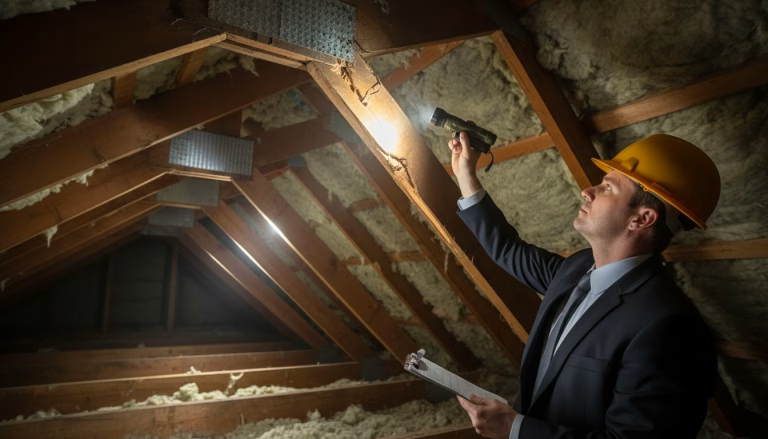
Discovering problems with your home’s framing system can create genuine concern for Canberra property owners. These engineered components play a crucial role in maintaining your dwelling’s stability.
Metal plate connected wood trusses represent highly efficient framing elements. They distribute loads across long spans using alternating structural members in compression or tension. Every aspect of their design contributes to performance capacity.
While damage to these framing systems might appear alarming, many issues can be successfully addressed. Early identification and proper intervention prevent minor concerns from escalating into major structural problems.
This comprehensive guide explores assessment techniques, restoration methods, and safety protocols. It helps homeowners understand when professional roofing services become necessary for maintaining structural integrity.
Roof Repairs Canberra provides expert consultation throughout the region. For immediate assistance with framing system evaluation, contact 0483 986 266.
Key Takeaways
- Engineered framing systems are vital for home stability and load distribution
- Early detection of framing issues prevents more serious structural damage
- Professional assessment ensures proper identification of compression and tension member problems
- Many framing system concerns can be successfully restored with correct techniques
- Safety protocols must be followed during any evaluation or restoration work
- Qualified professionals should handle complex structural integrity concerns
- Immediate action preserves your home’s framing system performance
Understanding Roof Truss Structures and Their Role
The engineering behind roof truss systems represents one of construction’s most efficient solutions for spanning large distances. These prefabricated frameworks transfer weight from the roof to your home’s load-bearing walls.
Key Components of Roof Trusses
Each truss contains three essential elements working together. The top chord supports roofing materials while the bottom chord often forms ceiling joists.
Web members create the internal geometric pattern between chords. Metal connector plates join wooden members at critical joints. This creates rigid connections that maintain the engineered shape.
How Truss Design Impacts Stability
Truss engineering balances compression and tension forces throughout the structure. Some members push while others pull to distribute the roof load efficiently.
Every design is specific to application requirements. Engineers calculate precise member sizes and plate placements based on expected loads. This includes roof weight, snow accumulation, and wind forces.
Proper installation ensures trusses function as designed. They must be plumb, correctly braced, and connected to walls according to specifications. Understanding these principles highlights why professional assessment matters for maintaining structural integrity.
Assessing Common Roof Truss Damage Types
Early detection of structural issues in your home’s support system prevents costly restoration work. Regular assessment identifies problems before they compromise your property’s integrity.
Identifying Early Signs of Damage
Homeowners should conduct annual attic inspections to spot early warning signs. Look for cracks in wooden members or bent metal connector plates. These visible indicators often precede more serious structural failure.
Common causes include excessive snow load or water accumulation stressing the framework. Unauthorised modifications like cutting members for HVAC installations create dangerous weak points. Pest infestation from termites can silently weaken wood from within.
Understanding Weather and Age-Related Wear
Canberra’s climate contributes to gradual deterioration over time. Thermal expansion cycles and moisture fluctuations stress truss components. These environmental factors accelerate natural aging processes.
Improper initial installation may cause problems years later as settling occurs. Components installed out of plumb develop stress points that lead to cracks. Professional evaluation by a structural engineer ensures accurate damage assessment.
Step-by-Step Guide: can roof trusses be repaired
Addressing damaged framing components requires careful planning and execution to maintain structural stability. This comprehensive restoration process helps homeowners understand whether to undertake repairs independently or seek professional assistance.
Safety remains the absolute priority throughout any restoration work. Always install temporary bracing before beginning repairs to prevent further structural compromise.
The assessment phase involves carefully examining the extent of damage. Identify whether you’re dealing with cracks, split members, broken joints, or damaged connector plates.
For cracked wooden members, the sistering method provides effective reinforcement. Cut plywood or lumber gussets extending at least 60cm beyond the damage on each side.
Apply construction adhesive generously to the damaged area and reinforcement boards. Clamp the repair firmly and secure with appropriately spaced screws or bolts.
Broken internal web members require replacement lumber spanning the entire break. Realign original pieces and install sister boards on both sides with adhesive and mechanical fasteners.
Damaged metal connector plates need removal and replacement with wooden gussets. Secure these on both sides of the joint using adhesive and fasteners.
Complex situations involving extensive damage or uncertainty about structural adequacy warrant professional consultation. Roof Repairs Canberra experts assess and execute repairs according to engineering standards.
Materials and Tools for Effective Roof Truss Repair
Proper material selection ensures structural repairs maintain their integrity for decades to come. Using appropriate supplies prevents future issues and guarantees lasting performance.
Recommended Materials and Gussets
Structural-grade timber forms the foundation of quality repairs. Use 2×4 or 2×6 lumber for sistering damaged members. Half-inch plywood creates strong gusset plates.
Construction adhesive bonds wood surfaces effectively. Combine it with mechanical fasteners for maximum strength. Galvanised screws or carriage bolts provide secure connections.
Metal reinforcement options include steel mending plates and angle brackets. These offer superior strength in confined attic spaces. They resist corrosion when properly finished.
Essential Tools for Secure Repairs
A reliable drill/driver handles all fastening tasks. Measuring tools ensure precise layout and cutting. Clamps hold reinforcement materials firmly during adhesive curing.
Safety equipment protects during the restoration process. Specialised materials like wood hardener stabilise rot-damaged areas. Quality materials cost more initially but prevent future failures.
DIY Versus Professional Repair: Making the Right Choice
Determining the appropriate approach to structural restoration requires careful consideration of multiple factors. Homeowners face this important decision when dealing with framing system concerns.
| Scenario | DIY Approach | Professional Solution |
|---|---|---|
| Minor cracks in accessible areas | Suitable with basic carpentry skills | Optional for verification |
| Small splits in non-critical members | Possible with proper guidance | Recommended for safety |
| Widespread damage affecting multiple units | Not recommended | Essential intervention |
| Critical structural member issues | Avoid completely | Immediate professional assessment |
| Unclear damage extent or original design | Risk of improper repair | Structural engineer consultation |
Simple reinforcement projects suit capable homeowners. These include minor cracks in visible locations where damage is clearly defined. Basic carpentry abilities and structural understanding are essential.
Professional intervention becomes necessary for complex situations. Widespread damage affecting multiple framing units requires expert assessment. Critical structural members demand specialist attention.
Consult a licensed structural engineer when sagging or shifting is visible. Property sales often require documented repairs meeting engineering standards. Sometimes complete replacement proves more efficient than restoration.
For professional framing system services in Canberra, contact Roof Repairs Canberra on 0483 986 266. Their team provides expert assessment and quality restoration work.
Implementing Safety Measures and Inspection Protocols
Implementing comprehensive safety procedures forms the foundation of successful structural inspection and maintenance. Proper protocols protect both your property and personal wellbeing during assessment activities.
Working in attic spaces presents multiple hazards that require careful management. These include fall risks, structural instability, and confined area limitations.
Personal Protective Equipment
Essential protective gear creates your first line of defense during inspection work. A properly fitted hard hat protects against head injuries from low beams.
Safety glasses shield eyes from debris and dust particles. Sturdy work boots provide solid footing on ladder rungs and attic joists.
Work gloves protect hands from splinters and sharp metal edges. This basic equipment significantly reduces injury risks during assessment.
On-Site Safety Best Practices
Ladder safety begins with stable placement on level ground. Ensure the ladder extends adequately above your access point for secure mounting.
Before entering any attic space, conduct a visual assessment from below. Look for obvious sagging or other concerning signs of structural issues.
If the framework feels unstable, immediately retreat and contact professionals. Temporary bracing provides essential support before beginning any repair work.
Annual inspections help identify early damage signs. Use a flashlight to check for moisture, cracks, or pest activity during these routine assessments.
Preventive measures include monitoring snow load during winter and maintaining proper attic ventilation. These practices preserve structural integrity over time.
Optimising Roof Repair for Structural Integrity and Longevity
The longevity of any framing system restoration depends on strategic timing, proper techniques, and preventive maintenance. Early intervention prevents minor issues from escalating into major structural failures.
| Repair Timing | Complexity Level | Cost Impact |
|---|---|---|
| Before sheathing installation | Low | Minimal |
| After MEP systems installed | High | Significant increase |
| With finished ceilings | Very high | Major expense |
Addressing root causes ensures lasting results. Fixing a cracked member without resolving moisture problems leads to recurring damage. Proper ventilation controls prevent rot from developing.
Sometimes replacement proves more efficient than restoration. Severe damage affecting multiple components may warrant new installation. Access limitations often make extensive work impractical.
Load management preserves structural integrity after restoration. Avoid excessive weight accumulation from snow or storage. Regular inspections catch developing issues early.
Professional engineering consultation guarantees compliance with building standards. This approach maintains your property’s structural integrity for decades.
Collaborating with Engineers and Roofing Experts in Canberra
Engaging qualified specialists ensures your framing system concerns receive appropriate technical solutions. Structural engineers and roofing professionals provide essential guidance for complex restoration work.
Professional consultation becomes essential when dealing with extensive damage or uncertainty about repair methods. Situations requiring building approval or original design information demand expert involvement.
Structural engineers assess damage severity and calculate load-bearing requirements. They design appropriate solutions and provide stamped drawings for building inspectors.
Contacting truss manufacturers is crucial for engineered systems. Manufacturers maintain original specifications and can provide repair details that restore design capacity.
Roof Repairs Canberra coordinates the entire restoration process from assessment to completion. Their team photographs affected areas and evaluates whether repair or replacement represents the best solution.
Professional services offer access to specialised equipment and local code knowledge. They provide warranty coverage and handle coordination with building authorities.
Documentation benefits include engineering certifications and compliance records. These are valuable for insurance claims and property sales.
Local Canberra expertise understands regional building requirements and climate considerations. This ensures appropriate material selection and installation methods.
For expert consultation on framing system concerns, contact Roof Repairs Canberra on 0483 986 266. Their team provides comprehensive assessment and quality restoration services throughout the region.
Conclusion
Addressing structural concerns promptly preserves your investment and maintains your dwelling’s safety standards. Most framing system issues can indeed be resolved when identified early.
Understanding the complex load distribution within these engineered systems makes proper assessment essential. Each type of structural issue requires specific approaches with appropriate materials.
Safety remains paramount throughout any inspection or restoration process. Preventive maintenance and timely intervention prevent minor concerns from escalating.
For professional roof truss repair services in Canberra, contact Roof Repairs Canberra on 0483 986 266. Our experienced team provides expert assessment and quality repairs for your home’s structural integrity.
FAQ
What are the most common signs of truss failure?
Visible signs include sagging sections, cracked or split timber, and bent or corroded metal connector plates. Inside the roof space, look for new cracks on interior walls or ceilings, which can indicate a shift in structural support.
When is a complete replacement necessary instead of a repair?
Replacement is often required when damage is extensive, such as widespread wood rot, severe fire impact, or a critical design flaw. A qualified structural engineer must assess the situation to determine if the system’s integrity can be safely restored or if new materials are needed.
Can I repair a roof truss myself?
While minor issues like a small split in lumber might be a DIY project, most repairs involve complex load-bearing calculations. For safety and to preserve your home’s structural integrity, engaging professionals with the correct tools and engineering guidance is strongly recommended.
How does water damage affect timber trusses?
Water infiltration leads to rot, which progressively weakens the timber. This compromises the strength of the entire structure and can lead to joint failure. Promptly addressing leaks and any resulting damage is crucial to prevent more significant issues.
What role does a structural engineer play in the repair process?
A structural engineer provides essential analysis and design guidance. They assess the extent of the damage, specify the required repair method and materials—such as steel reinforcement or specific gusset plates—and certify that the final work meets all safety standards.
How long does a typical repair job take?
The timeframe depends entirely on the damage’s severity. A simple fix might take a day, while complex repairs involving engineering assessments and custom material fabrication can take several weeks to ensure the construction is sound and durable.