
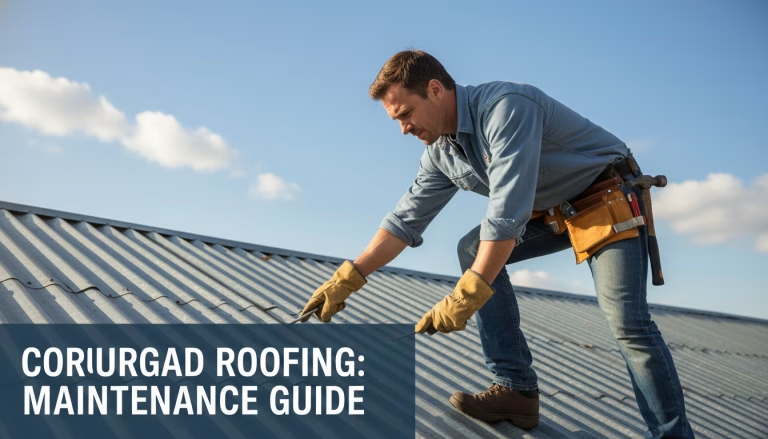
This comprehensive resource provides essential information for Australian homeowners and property managers. Proper maintenance is crucial for preserving your building’s integrity.
Corrugated designs remain a popular choice across the country. Their durability and cost-effectiveness suit various climate conditions. Understanding maintenance needs is vital for long-term performance.
Our guide covers identifying common issues, step-by-step processes, and necessary tools. We also address critical safety considerations for any work at height.
While many tasks are suitable for DIY, complex situations demand expert help. For professional assistance in Canberra, call 0483 986 266.
This guide delivers accurate, practical advice based on industry standards. We address various materials, including metal, plastic, and bitumen sheets.
Canberra’s unique weather presents specific challenges. Intense summer heat, hailstorms, and cold winters all affect your roof’s condition.
Learning correct techniques helps extend your roof’s lifespan. It also prevents the need for costly full replacements down the track.
Key Takeaways
- This guide offers vital information for maintaining corrugated roofing systems.
- Proper upkeep is essential for Australian homes facing diverse weather conditions.
- You will learn to identify problems and understand safe repair processes.
- Professional help is recommended for complex issues to ensure safety and quality.
- Different materials, like metal, have specific maintenance requirements.
- Correct techniques can significantly extend your roof’s service life.
- Canberra’s specific climate demands particular attention to roof condition.
Understanding Corrugated Roofing Sheets
Corrugated roofing systems are defined by their unique ridged profile, a design that offers significant advantages for Australian properties. The wave pattern is not just for looks. It adds structural rigidity and helps water run off quickly.
These sheets come in several materials, each with distinct properties. Homeowners can choose from durable metal options like Colorbond steel or aluminium. Plastic varieties, such as PVC, and cost-effective bitumen sheets are also popular.
Benefits of Corrugated Roofing
The primary benefits of this roofing style make it a top choice. Its exceptional durability ensures a long lifespan, often lasting decades. The materials are lightweight, reducing stress on the building’s frame.
This type of roofing is also very cost-effective. It provides excellent value compared to other options like tiles. Installation is generally straightforward for experienced professionals.
Common Problems and Weather Impacts
Even robust systems can face issues over time. Common problems include leaks from sealant failure or rust on metal surfaces. Loose fasteners can also occur due to temperature changes.
Canberra’s weather presents specific challenges. Intense sun can cause UV degradation, while hailstorms risk surface damage. Thermal expansion and contraction from seasonal extremes test the materials.
Understanding these factors is the first step toward effective maintenance. It helps in selecting the right approach for any necessary work on your property’s cover.
Preparing for Roof Repairs in Canberra
A well-planned approach to roof maintenance begins with gathering the right equipment and understanding safety protocols. Proper preparation ensures your project proceeds smoothly and safely. This foundation is especially important for Canberra’s unique climate conditions.
Essential Tools and Materials
Having the correct tools makes any maintenance task more efficient. Your toolkit should include a cordless drill, soft-headed rubber mallet, and measuring tape. Spanners, utility knives, and a spirit level are also essential for precise work.
Selecting matching materials maintains your roof’s integrity and appearance. Choose replacement components that match existing ones in profile and colour. High-quality sealant, proper fasteners, and surface preparation materials complete your supplies.
Safety Precautions on Site
Safety must be your absolute priority when working at heights. Always wear non-slip footwear, safety harnesses, and protective eyewear. Heavy-duty gloves and high-visibility clothing provide additional protection.
Follow specific protocols for Canberra’s weather conditions. Avoid working during extreme heat or on wet surfaces. Ensure stable ladder placement and consider professional help for complex projects requiring extensive safety measures.
how to repair corrugated roofing sheets
Executing effective maintenance on your property’s covering requires a systematic method. Following proper steps ensures durable results that withstand Canberra’s climate challenges.
Step-by-Step Maintenance Process
Begin with thorough inspection and documentation of all affected areas. Clear debris and establish safe access before starting work.
Start from the highest point, working downward to prevent water infiltration. Address critical damage first using appropriate techniques for each issue type.
Key Techniques for Durable Fixes
Always secure fasteners through the peaks rather than troughs. This prevents water ingress and provides superior structural strength.
Use proper fastener patterns with adequate quantities per sheet. Correct tightening avoids distortion while ensuring waterproof seals.
| Fastener Type | Best Application | Installation Tool | Waterproofing Feature |
|---|---|---|---|
| Flexi Cap Screws | Metal surfaces | Cordless drill | Integrated rubber washer |
| Roofing Nails | Bitumen sheets | Rubber mallet | Neoprene washers |
| Pop Rivets | Small patches | Rivet gun | Sealant required |
Complete work during dry conditions allowing sealants proper curing time. Final inspection verifies all components function correctly.
Quality workmanship significantly extends your property’s protection lifespan. These techniques ensure reliable performance for years.
Diagnosing Common Roof Issues
Correct diagnosis forms the foundation of any successful roof maintenance project. Misidentifying problems leads to ineffective solutions and recurring issues. Accurate assessment saves both time and materials.
Identifying Leaks, Holes and Rust
Leaks often appear as water stains or dampness inside the building. Inspect during both dry and wet conditions for best results. Check around screws, vents, and joints where seals may fail.
Look for rust trails running down from fastener points. Discoloration on the surface indicates potential water damage. Algae growth in damp areas signals persistent moisture problems.
Holes can result from hail impact or advanced corrosion. Examine overlap areas where gaps may develop over time. Small pinholes often indicate serious underlying rust issues.
Assessing Damage and Corrosion
Surface rust appears as orange discoloration and is treatable. Moderate corrosion shows pitting in the protective coating. Severe damage involves structural weakness requiring replacement.
Use gentle probing to test suspected rust areas. Document all problem spots with measurements and photos. Prioritize repairs based on water ingress risk.
Seek professional evaluation for extensive corrosion or structural concerns. Multiple affected sheets or unlocatable leaks warrant expert assessment. Contact specialists when the system approaches end-of-life.
Repair Techniques and Materials
The longevity of any maintenance work depends heavily on choosing appropriate components and application methods. Quality products ensure lasting protection against Canberra’s challenging weather conditions.
Utilising Sealants and Patches
High-quality roofing silicone remains flexible and UV-resistant, making it ideal for general sealing applications. Proper surface preparation is essential before applying any sealant.
For minor damage, cleaning the area thoroughly allows sealant to bond effectively. Medium-sized issues may require custom-cut patches from matching materials.
Ensure patches align correctly with existing profiles for optimal performance. Apply sealant around the perimeter before securing the patch in position.
Choosing the Right Fasteners
Fastener selection significantly impacts the durability of your work. Flexi Cap Screws with rubber washers provide superior waterproofing through flexible heads.
These screws accommodate thermal movement and offer stronger fixing power. While premium-priced, their long-term performance justifies the investment.
| Fastener Type | Waterproofing | Lifespan | Installation |
|---|---|---|---|
| Flexi Cap Screws | Superior (rubber washer) | Long-term | Drill required |
| Roof Sheet Nails | Basic (neoprene washer) | Medium-term | Hammer installation |
Budget-friendly Roof Sheet Nails offer simpler installation but shorter lifespan. Always select colour-matched options from reputable suppliers for consistent quality.
Installation Methods and Tips
The placement of fasteners represents one of the most critical aspects of successful roof installation. Proper techniques ensure long-term performance against Canberra’s challenging weather conditions.
Ensuring Correct Screw Placement
Always install fasteners through the peaks of corrugated profiles, never through the troughs. Water naturally flows through troughs during rainfall, so placing screws there creates direct pathways for moisture ingress.
Peak fastening provides superior structural integrity by clamping the high points. This method distributes force downward through the entire profile, effectively securing a wider surface area.
Achieving a Weatherproof Seal
Follow the recommended pattern: install screws at every peak along top and bottom edges. Use every second peak for intermediate purlins, maintaining at least twenty fasteners per sheet.
Use string lines aligned with purlins to mark precise positions before drilling. This ensures straight rows of fixings for both structural strength and visual consistency.
Proper tightening is essential—compress rubber washers until they form visible seals without distorting the sheet surface. Install foam eaves fillers on every purlin to block wind-driven rain and improve thermal performance.
After installation, verify weatherproofing by inspecting all fastener points and checking sheet overlaps. Apply additional sealant at vulnerable areas like end laps for complete protection.
Maintaining Your Corrugated Roof
Proactive care significantly extends the performance of your building’s protective covering. A structured maintenance approach maximises lifespan while minimising future repair costs. This strategy proves more economical than addressing problems after they develop.
Regular Inspection and Maintenance
Establish a biannual inspection schedule during spring and autumn. These seasons provide ideal conditions for assessing your roof’s condition. Always conduct additional checks after severe weather events.
During inspections, examine fastener tightness and washer condition. Look for signs of surface damage or early corrosion. Clear debris from valleys and ensure proper drainage function.
Professional assessments every three to five years complement your routine checks. Experts can access difficult areas safely and identify subtle issues.
Prevention Techniques for Long-Term Durability
Quarterly cleaning prevents moisture retention and coating damage. Use low-pressure washing with mild detergent annually. Trim overhanging branches to reduce debris accumulation.
Address minor scratches promptly with touch-up paint. Treat surface rust immediately to prevent spread. Maintain documentation of all maintenance activities for future reference.
These preventative measures ensure your roof panels deliver their full potential lifespan. Consistent attention preserves structural integrity and weather protection for decades.
Expert Advice and DIY Best Practices
Homeowners face important decisions about which roofing projects they can safely handle. Understanding your limits prevents costly errors and ensures quality results. Professional guidance helps determine the best approach for each situation.
When to Seek Professional Help
Complex situations demand expert intervention for optimal outcomes. Structural concerns, extensive damage, or persistent leaks require professional assessment. Working at height presents significant safety risks that trained specialists manage effectively.
Different materials like metal and plastic require specific expertise. Professionals have the right tools and training for challenging projects. They ensure compliance with building standards and manufacturer specifications.
Pro Tips from Roofing Experts
Always prioritize safety and use quality materials for any maintenance work. Proper surface preparation ensures lasting results. Follow weather guidelines and allow adequate curing time for sealants.
Plan your project thoroughly before beginning any work. Assess the full scope and gather all necessary tools in advance. Consider whether a temporary fix or permanent solution best serves your needs.
| Scenario | DIY Approach | Professional Required | Key Considerations |
|---|---|---|---|
| Minor Leaks | Sealant application | Persistent issues | Location difficulty |
| Single Sheet Replacement | Accessible areas | Structural concerns | Safety risks |
| Rust Treatment | Surface cleaning | Extensive corrosion | Material compatibility |
| Fastener Maintenance | Tightening loose screws | Multiple sheet issues | Waterproofing integrity |
For complex repairs or safety concerns, contact Roof Repairs Canberra on 0483 986 266. Experienced professionals deliver durable solutions for challenging roofing situations.
Troubleshooting and Preventing Future Damage
Moving beyond immediate fixes to address root causes ensures long-term performance of your roof system. When maintenance efforts don’t resolve persistent issues, systematic troubleshooting identifies underlying problems.
Addressing Weather-Related Wear
Canberra’s climate creates specific wear patterns on building materials. Thermal cycling loosens fasteners, while UV exposure degrades plastic panels. Hailstorms can cause immediate surface damage requiring assessment.
Recurring water issues may indicate sheet alignment problems. Persistent moisture accumulation suggests ventilation improvements are needed. These weather-related challenges demand targeted solutions.
Proactive Measures Against Corrosion
Early intervention prevents minor rust from becoming major damage. Use a wire brush to clean affected metal surfaces thoroughly. Apply zinc-based primer before topcoat application for lasting protection.
For small corrosion areas, proper surface preparation is essential. Cut patch replacements work well for localized damage. Regular inspections catch issues before they compromise structural integrity.
Different materials require specific prevention strategies. Metal panels benefit from protective coatings, while aged plastic ones need replacement before failure. Addressing condensation through proper ventilation reduces moisture-related damage.
Conclusion
Effective management of your building’s exterior protection system combines regular maintenance with timely interventions. This guide has equipped you with essential knowledge for addressing common issues with various protective coverings.
Always prioritize safety when working at heights and use quality tools for durable results. Proper installation techniques and material selection are crucial for long-term performance.
Different materials require specific approaches. Metal components need corrosion prevention, while plastic elements demand UV-resistant solutions. Each material type has unique maintenance requirements.
While many minor fixes suit capable DIY enthusiasts, complex situations warrant professional expertise. Extensive damage or structural concerns benefit from experienced assessment.
Preventative care represents the most cost-effective strategy. Regular inspections and prompt attention to minor issues prevent major repairs down the track.
For expert assistance with your protective covering needs in Canberra, contact our professionals on 0483 986 266. We provide quality workmanship and durable solutions for all your exterior protection requirements.
FAQ
What are the primary benefits of corrugated roofing?
Corrugated roofing offers excellent strength, durability, and weather resistance. Its unique profile efficiently sheds water and snow, making it ideal for Canberra’s variable climate. These panels are also cost-effective and relatively lightweight, simplifying the installation process.
How can I identify the source of a leak in my roof?
Start by inspecting the interior of your structure for water stains on the ceiling. Then, carefully examine the exterior roof surface for common issues like loose or missing fasteners, cracked sealant, or small holes. Pay close attention to areas around flashing and panel overlaps, as these are frequent leak points.
What safety equipment is essential for DIY roof repairs?
Safety is paramount. Essential gear includes a secure, well-anchored ladder, non-slip footwear, a safety harness system, and heavy-duty gloves. Eye protection is also crucial to shield against debris, especially when cleaning rust or cutting new materials for patches.
What is the best way to repair a small hole in a metal sheet?
For a durable fix, first clean the area around the hole with a wire brush to remove any rust or debris. Apply a quality roofing sealant, then place a pre-cut metal patch over the hole. Secure the patch firmly with appropriate screws and seal the edges thoroughly to prevent moisture ingress.
When should I call a professional roofing contractor?
It’s wise to seek professional help for extensive damage, complex structural issues, or if you are uncomfortable working at heights. A qualified expert from a local Canberra company can assess significant corrosion, large-scale panel replacement, or persistent leaks that DIY methods haven’t resolved.
How does weather in Canberra affect my roof’s lifespan?
Canberra’s weather, with its hot summers, cold winters, and potential for hail, can accelerate wear. UV radiation can degrade coatings, while thermal expansion and contraction can loosen fasteners over time. Regular maintenance is key to mitigating these weather-related impacts and extending your roof’s service life.
What maintenance routine will prolong my roof’s durability?
A proactive maintenance schedule includes bi-annual inspections, especially after severe weather. Clear debris from gutters and the roof surface. Check and tighten any loose screws and reapply sealant as needed. Promptly addressing minor problems like small patches of rust prevents them from becoming major repairs.