
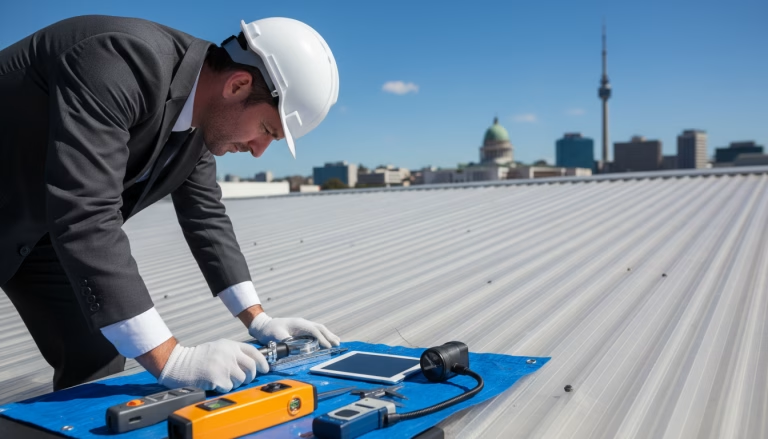
For Canberra homeowners and property managers, maintaining a sturdy overhead covering is crucial. This guide provides essential insights for addressing issues with your GRP (Glass Reinforced Plastic) roofing system. A well-maintained structure can protect your asset for decades.
Glass Reinforced Plastic is renowned for its strength and seamless, waterproof finish. With correct care, this material can serve your premises reliably for over 25 years. It represents a smart, long-term investment for Australian residential and commercial buildings.
Our professional guide walks you through the entire process. You will learn to spot early signs of wear, prepare the area, and perform necessary restoration work. We also cover vital preventative strategies to avoid future problems.
While many minor fixes are manageable, some situations demand expert attention. For a professional assessment or complex jobs in the ACT, contact Roof Repairs Canberra on 0483 986 266. Timely action preserves your investment against our unique local climate.
Key Takeaways
- This guide is tailored for Canberra property owners seeking to maintain their roofing investment.
- Fibreglass (GRP) roofing is a durable, long-lasting solution that can exceed 25 years of service.
- Learn to identify damage, prepare for, and execute restoration procedures effectively.
- Implementing preventative maintenance is key to extending your roof’s lifespan.
- Professional help is available for complex issues by calling 0483 986 266.
- Promptly addressing minor problems can prevent costly damage down the track.
Introduction to Fibreglass Roof Repair in Canberra
The ACT region’s unique climate demands robust overhead protection that fibreglass solutions provide. Glass Reinforced Plastic systems deliver exceptional performance against Canberra’s weather extremes.
Understanding Fibreglass Roofing Benefits
GRP material, also known as fibreglass, offers superior advantages for Australian properties. Its seamless construction eliminates joints where moisture could penetrate.
This roofing type withstands harsh conditions while maintaining structural integrity. Proper maintenance ensures decades of reliable service.
| Benefit | Description | Impact |
|---|---|---|
| Waterproof Finish | Seamless surface prevents water ingress | Eliminates leakage concerns |
| Lightweight Construction | Reduces structural load on buildings | Suitable for various property types |
| Longevity | 25+ years lifespan with proper care | Cost-effective long-term solution |
| Weather Resistance | Withstands UV exposure and temperature changes | Ideal for Canberra climate |
Why Regular Roof Inspections Matter
Consistent checks identify minor issues before they escalate. Early detection prevents water damage and preserves structural integrity.
Property owners should examine surfaces every six months. Look for cracks, blisters, or discolouration indicating coating breakdown.
Document findings with photographs for comparison over time. This proactive approach maintains your investment’s value and performance.
Preparing for Your Fibreglass Roof Repair
Gathering the correct equipment and ensuring a safe workspace are the first critical steps. Proper preparation directly influences the success and durability of the work.
Thorough cleaning and surface treatment create the ideal foundation for new materials to bond correctly. This phase cannot be rushed.
Safety Measures and Essential Tools
Personal safety is paramount. Always wear gloves, safety goggles, and a dust mask before starting. This protective gear shields you from resins and particles.
Having the right tools and materials on hand streamlines the entire process. A complete repair kit often contains pre-measured components for convenience.
| Category | Essential Items | Purpose |
|---|---|---|
| Safety Gear | Gloves, Goggles, Dust Mask | Protection from chemicals and debris |
| Application Tools | Rollers, Brushes, Sandpaper | For applying resins and preparing the surface |
| Key Materials | Resin, Matting, Topcoat, Acetone | To execute the restoration effectively |
Cleaning and Surface Preparation
Begin by clearing the roof surface of all loose debris. Use a soft-bristled brush to sweep away leaves, twigs, and dirt.
Next, gently scrub the area with a mix of mild detergent and water. Rinse thoroughly with a garden hose. Never use a high-pressure washer, as it can damage the coating.
After the surface is clean and dry, wipe it with acetone. This removes any grease or oils. Lightly sand the area to roughen it for better adhesion.
If you are unsure about any safety procedures, contact Roof Repairs Canberra on 0483 986 266 for professional guidance.
Step-by-Step: How to Repair Fibreglass Roof
The restoration approach varies significantly depending on whether you’re addressing small fissures or substantial openings. Each situation demands specific materials and application techniques for lasting results.
Repairing Minor Cracks and Damage
For small imperfections, begin by cutting specialist tape slightly longer than the affected zone. Apply a layer of resin over the damaged section using a brush.
Position the tape over the resin, ensuring complete coverage. Brush another resin layer over the tape until fully saturated. Allow proper curing time according to product guidelines.
Dealing with Larger Splits and Leaks
Substantial issues require structural reinforcement with matting. Cut the material to size, extending several inches beyond the problem area on all sides.
Apply a generous resin layer over the prepared surface. Lay the matting and press firmly to eliminate air pockets. Add more resin until the matting becomes translucent.
After curing, lightly sand the restored section. Clean with acetone before applying topcoat evenly over the entire area. Extend the coating slightly beyond the repair for seamless integration.
While capable owners can manage these procedures, complex situations benefit from professional expertise. For guaranteed quality workmanship, contact Roof Repairs Canberra on 0483 986 266.
Essential Maintenance and Preventative Tips
Proactive maintenance forms the foundation of a durable roofing system. Consistent care helps your investment withstand Canberra’s challenging weather patterns for many years.
Maintaining Drainage and Gutters
Clear gutters and downpipes regularly to prevent water pooling. Remove leaves, twigs, and other debris that can block proper flow.
Standing water creates pressure points that may lead to surface damage over time. Ensure all drainage points remain unblocked to allow proper runoff.
Properties near trees may need more frequent cleaning. Schedule this task at least twice yearly, ideally during spring and autumn.
Regular Inspections for Long-Term Durability
Conduct visual checks every six months to keep your roof in optimal condition. Look for cracks, blisters, or discolouration indicating coating breakdown.
Early detection allows you to address minor issues before they escalate. This approach helps promptly prevent costly damage and potential water ingress.
Reapply protective coatings every 5 to 10 years to ensure your roofing remains waterproof. This maintenance protects against UV rays and extends the system’s lifespan.
For professional maintenance services in the ACT region, contact Roof Repairs Canberra on 0483 986 266. Their expert team can help ensure your property remains protected.
Using Manufacturer Instructions and Repair Kits
The success of any restoration project depends heavily on using the correct materials and application methods. Following precise guidelines ensures your work withstands local weather conditions.
Following Manufacturer Guidelines
Always adhere to manufacturer instructions when working with resin and matting. Different products require specific mixing ratios, typically 1:1 or 2:1.
Stir the mixture thoroughly until achieving a smooth, consistent texture. Proper preparation guarantees optimal bonding strength.
Curing times vary between products and affect the final finish. Rushing this process compromises durability.
Choosing the Right Repair Materials and Kits
Select quality materials designed for Australian conditions. Your selection should withstand UV exposure and temperature changes.
Quality kits contain pre-measured components that work together effectively. They include detailed instructions for proper application.
| Topcoat Type | Application | Protection |
|---|---|---|
| Gel Coat | Easy application | Smooth finish |
| Acrylic Paint | Longer lasting | Enhanced UV resistance |
Essential materials include roofing resin, reinforcement matting, and protective topcoat. Having everything ready before starting streamlines the process.
For guaranteed results using approved materials, contact Roof Repairs Canberra on 0483 986 266. Professionals ensure lasting repairs for all types of fibreglass roofs.
Conclusion
Understanding the care requirements for GRP systems empowers property owners to make informed decisions. Proper maintenance ensures your investment delivers decades of reliable service.
Regular cleaning, scheduled inspections, and prompt attention to minor issues prevent costly damage. Addressing small cracks early maintains structural integrity and prevents water ingress.
While many maintenance tasks are manageable, complex situations benefit from professional expertise. Roof Repairs Canberra provides guaranteed workmanship using approved materials.
For expert advice or professional service, contact their experienced team on 0483 986 266. Protect your property with quality solutions that withstand Canberra’s diverse climate conditions.
FAQ
What are the most common issues with a fibreglass roof surface?
The most frequent problems include minor cracks, splits, and water ingress. These often result from weather conditions, impact damage, or general wear over time. Promptly addressing small areas of damage prevents more serious issues like water pooling and leaks.
How do I prepare the area before starting repairs?
Proper preparation is crucial. Begin by clearing the roof surface of all debris, dirt, and loose materials. A clean, dry area ensures the resin and topcoat adhere correctly. Always follow the specific manufacturer instructions for your roofing system for the best finish.
Can I perform these repairs myself, or should I hire a professional?
Many minor repairs, such as filling small cracks, can be a DIY project using a dedicated repair kit. For larger splits, significant water ingress, or if you are unsure, it is advisable to contact a professional roofing specialist to ensure the job is done safely and effectively.
What maintenance helps prevent damage to my flat roof?
Regular inspections are key. Keep the roof free from debris and ensure gutters are clear to prevent water pooling. A periodic check, especially after severe weather, allows you to spot and fix minor issues before they escalate, protecting your property for years.
What materials are included in a typical fibreglass roof repair kit?
A standard kit usually contains polyester resin, catalyst, fibreglass matting, and a topcoat. These materials are designed to work together to create a durable, waterproof seal. It is essential to use products compatible with your existing roofing system for a long-lasting result.